
Vitamin C serum is a popular skincare product because it helps improve the appearance of dull skin, uneven skin tone, and dark spots. Many people add it to their daily routine to achieve a brighter and healthier-looking complexion. However, some people experience redness, itching, dryness, or a burning sensation after applying it.
If you have experienced these problems, you may wonder why a skincare ingredient known for its benefits sometimes causes irritation. The reason can depend on your skin type, the serum’s concentration, its formulation, or the way you apply it.
When searching for the Best Vitamin C Serum in Pakistan, it is important to understand how your skin responds to this ingredient. This guide explains the common causes of irritation, how to avoid them, and how to use vitamin C serum more comfortably.
What Is Vitamin C Serum and How Does It Work?
Vitamin C is an antioxidant commonly used in skincare products. It helps protect the skin against oxidative stress caused by environmental factors such as pollution and UV exposure.
It is also known for supporting collagen production and improving the appearance of uneven skin tone and dark spots.
Vitamin C serum is available in different formulations and concentrations. Some products use pure vitamin C, also known as L-ascorbic acid, while others contain vitamin C derivatives.
Although vitamin C can offer several skincare benefits, not every formula suits every person. Some formulations, particularly those containing high concentrations of pure vitamin C, may cause irritation in sensitive skin.
Why Does Vitamin C Serum Sometimes Cause Skin Irritation?
Vitamin C serum can cause irritation for several reasons. Understanding these causes can help you choose a suitable product and make changes to your skincare routine.
1. You Are Using a High Concentration of Vitamin C
One common reason for irritation is using a vitamin C serum with a concentration that is too strong for your skin.
Many products contain different percentages of vitamin C. While a higher concentration may sound more effective, it does not automatically mean better results.
For beginners or people with sensitive skin, a strong formula may cause:
- Redness or flushing.
- A stinging or burning sensation.
- Dryness and tightness.
- Increased skin sensitivity.
What can you do?
If you are new to vitamin C, consider starting with a lower-strength formula. Introduce it gradually and follow the product instructions.
You do not need to choose the strongest serum to achieve a good skincare routine.
2. Your Skin Is Naturally Sensitive
Some people naturally have more reactive skin. Their faces may become red or uncomfortable after using certain skincare products.
If your skin is sensitive, even a properly formulated vitamin C serum may cause irritation.
This does not necessarily mean vitamin C is unsuitable for everyone with sensitive skin. The overall formulation, concentration, and other ingredients can affect how your skin responds.
What can you do?
- Choose a gentle formula.
- Avoid introducing several new products at once.
- Perform a patch test before regular use.
- Start with less frequent application.
- Stop using the product if irritation develops.
If your skin regularly reacts to skincare products, a dermatologist can help identify the cause.
3. You Are Applying Vitamin C Serum Too Frequently
Using vitamin C serum several times a day does not necessarily improve its benefits.
If your skin is not accustomed to the ingredient, frequent application may contribute to irritation, especially when combined with other active ingredients.
For example, applying vitamin C in the morning and using several strong exfoliating products at night may make your routine too aggressive.
What can you do?
Start slowly. If you are a beginner, follow the manufacturer’s recommended frequency and consider using the serum a few times a week initially.
Increase frequency only if your skin tolerates it comfortably.
4. You Are Combining Too Many Active Ingredients
Another common reason for irritation is using several active ingredients together without understanding how they affect your skin.
Your routine may include vitamin C, retinol, exfoliating acids, and acne treatments. Although some ingredients can work together, combining multiple strong products may increase the risk of dryness and irritation.
For example, using vitamin C alongside strong exfoliating acids may be uncomfortable for some sensitive skin types.
What can you do?
Keep your skincare routine simple when introducing vitamin C.
You can start with:
- A gentle face wash.
- Vitamin C serum.
- A suitable moisturiser.
- Sunscreen during the daytime.
Avoid adding multiple new active ingredients until you understand how your skin responds.
5. Your Skin Barrier Is Already Weak
Your skin barrier is the outer protective layer that helps retain moisture and protect your face from external irritants.
When this barrier becomes damaged, your skin may feel dry, tight, rough, or unusually sensitive.
Using an active ingredient such as vitamin C on already irritated skin may make discomfort worse.
Common signs of a weakened skin barrier include:
- Persistent dryness.
- Redness and irritation.
- Flaky or rough patches.
- Stinging after applying skincare products.
- Increased sensitivity to everyday products.
What can you do?
Give your skin time to recover before introducing active ingredients again.
Focus on a gentle cleanser, a moisturiser that supports the skin barrier, and daily sunscreen. Ingredients such as ceramides and glycerin may help support skin comfort.
If irritation continues, consult a dermatologist.
6. Your Vitamin C Serum May Have Oxidised
Vitamin C can be unstable, particularly in certain formulations. Exposure to air, light, and heat may cause some vitamin C products to oxidise over time.
An oxidised serum may become less effective. Changes in colour can be an indication that the product has deteriorated.
What should you do?
- Follow the manufacturer’s storage instructions.
- Keep the bottle tightly closed.
- Store it away from direct sunlight.
- Avoid leaving it in a hot environment.
- Check the product’s expiry date.
If the serum has changed significantly in colour, smell, or texture, or appears to have deteriorated, stop using it and check the manufacturer’s guidance.
7. You Are Applying Vitamin C Serum on Irritated or Damaged Skin
Applying vitamin C serum immediately after shaving, aggressive exfoliation, or other irritating skincare treatments may increase discomfort.
Your skin may already be sensitive because its protective barrier needs time to recover.
Applying an active ingredient during this period can cause additional stinging or redness.
What can you do?
Avoid applying vitamin C to broken, inflamed, or actively irritated skin. Allow your skin to settle before restarting the product.
If you experience severe burning, swelling, blistering, or persistent irritation, stop using the serum and seek medical advice.
Which Skin Types Are More Likely to Experience Vitamin C Irritation?
Vitamin C can suit many skin types, but individual reactions vary. Your skin type and its current condition can influence how comfortable a serum feels.
1. Sensitive Skin
Sensitive skin may react more easily to certain ingredients, especially strong formulations.
People with sensitive skin should consider gentle products, patch testing, and gradual introduction.
2. Dry Skin
Dry skin may already have a weakened moisture barrier. Some vitamin C formulations can increase the feeling of dryness or tightness.
If you have dry skin, choose a suitable formula and follow it with a moisturiser.
3. Oily Skin
Oily skin is not automatically protected from irritation. You may still experience redness or stinging when using a strong vitamin C serum.
Choose a comfortable formula and avoid combining too many active products.
4. Acne-Prone Skin
People with acne-prone skin may use vitamin C to improve the appearance of post-acne marks. However, active breakouts and irritated skin can sometimes make skincare products uncomfortable.
Choose a gentle routine and avoid applying vitamin C to broken or inflamed spots.
How Can You Use Vitamin C Serum Without Irritating Your Skin?
Using vitamin C correctly can help reduce the chances of unnecessary irritation. Follow these practical steps when adding it to your routine.
1: Clean Your Face Gently
Wash your face with a mild cleanser to remove dirt, sweat, and excess oil.
Avoid harsh scrubbing or very hot water because these can make your skin feel dry and uncomfortable.
2: Perform a Patch Test
Before applying a new vitamin C serum to your entire face, test a small amount on an area of skin according to the manufacturer’s instructions.
Monitor the area for irritation before regular use.
3: Apply a Small Amount
Use the quantity recommended on the product label. Spread the serum gently across your face.
Avoid applying it near your eyes unless the product is specifically designed for that area.
4: Follow with Moisturiser
Apply a suitable moisturiser after your serum. This helps maintain hydration and supports the skin barrier.
If your skin is dry, consider a moisturiser containing glycerin or ceramides.
5: Use Sunscreen During the Day
Finish your morning routine with a broad-spectrum sunscreen with SPF 30 or higher.
Vitamin C is an antioxidant, but it does not replace sunscreen. Daily sun protection is important for reducing UV-related skin damage and managing dark spots.
Which Ingredients Can You Combine with Vitamin C Serum?
Some skincare ingredients can complement vitamin C and help create a balanced routine.
1. Hyaluronic Acid
Hyaluronic acid attracts water and supports skin hydration. It can be useful if your skin feels dry while using vitamin C.
2. Niacinamide
Niacinamide is a form of vitamin B3 that supports the skin barrier and may improve the appearance of uneven skin tone.
It can generally be used alongside vitamin C. However, if you have sensitive skin, introduce each ingredient separately to understand how your skin responds.
3. Ceramides
Ceramides help maintain the skin barrier and reduce moisture loss.
A moisturiser containing ceramides may help support skin comfort, especially if your face feels dry.
4. Glycerin
Glycerin is a humectant that attracts water to the skin. It is commonly used in moisturisers and hydrating skincare products.
It can complement a vitamin C routine by supporting hydration.
Remember, combining compatible ingredients does not mean you need to use all of them. Choose products according to your skin’s needs.
How Can You Choose the Best Vitamin C Serum in Pakistan?
Finding the Best Vitamin C Serum in Pakistan is not simply about choosing the highest concentration or most popular product. You should consider your skin type, the formulation, ingredients, and product quality.
Before purchasing a vitamin C serum, consider these points:
- Check the concentration: Beginners and people with sensitive skin may prefer a gentler formula.
- Understand the formulation: Different vitamin C forms have different stability and formulation properties.
- Consider your skin type: Choose a product that suits oily, dry, combination, or sensitive skin.
- Read the ingredient list: Check for additional ingredients that support hydration and skin comfort.
- Check the packaging: Dark or opaque, well-sealed packaging can help protect light-sensitive formulations.
- Review storage instructions: Store the serum according to the manufacturer’s recommendations.
- Buy from a reliable source: Choose genuine products and check the product’s expiry date.
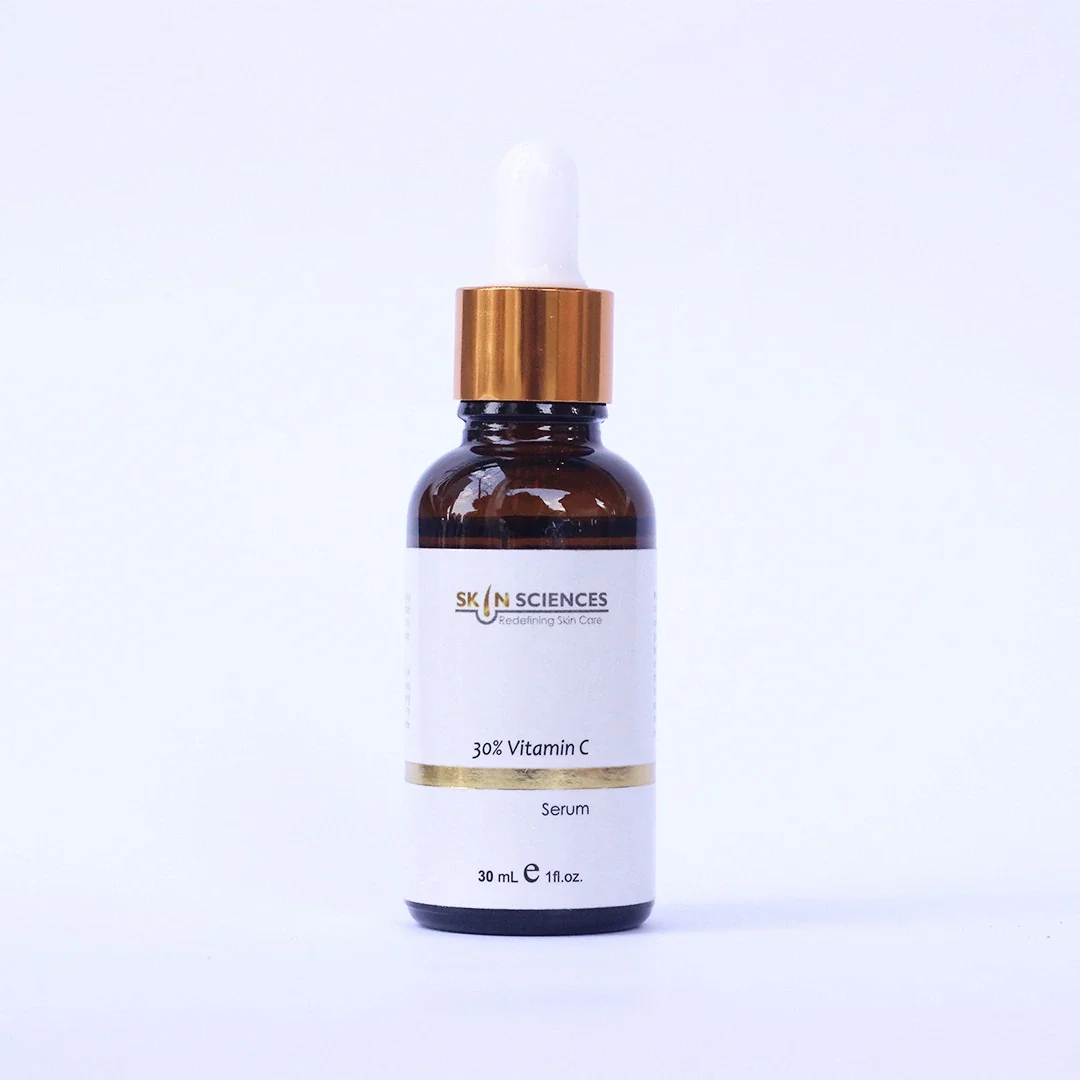
You can explore skincare options from Skin Sciences when comparing products for your daily routine. Review the available product details, ingredient information, and application instructions to determine whether a particular serum suits your skin.
The right serum is not necessarily the strongest one. It is the product that meets your skincare needs without causing unnecessary discomfort.
What Should You Do If Vitamin C Serum Causes Irritation?
If your skin becomes red, itchy, or uncomfortable after applying vitamin C serum, do not ignore these signs.
Take the following steps:
- Stop using the serum temporarily.
- Avoid exfoliating acids, retinol, and other irritating products.
- Clean your face gently.
- Use a simple moisturiser that your skin already tolerates.
- Avoid applying products to broken or inflamed skin.
- Use sunscreen during the daytime if your skin tolerates it.
Do not try to cover irritation by applying more skincare products.
If you experience severe burning, swelling, blistering, or symptoms that do not improve, consult a healthcare professional or dermatologist.
Frequently Asked Questions
1. Why does my face burn after applying vitamin C serum?
A burning or stinging sensation may occur because of a strong formulation, sensitive skin, an irritated skin barrier, or other ingredients in the product. Stop using it if the discomfort persists.
2. Is vitamin C serum suitable for sensitive skin?
Vitamin C may suit some people with sensitive skin, but the formulation and concentration matter. Choose a gentle product, perform a patch test, and introduce it gradually.
3. Can I use vitamin C serum every day?
Many people can use vitamin C daily if their skin tolerates it. Beginners should start gradually and follow the product instructions.
4. What concentration of vitamin C is best for beginners?
A lower concentration may be a more comfortable starting point for beginners and sensitive skin. The ideal concentration depends on the formulation and your skin’s tolerance.
5. Can vitamin C serum cause dryness?
Some vitamin C formulations may cause dryness or irritation, particularly when used too frequently or on an already weakened skin barrier. Following with a suitable moisturiser may help.
6. Should I stop using vitamin C if my skin becomes red?
Yes, stop using it if you develop redness or irritation. Allow your skin to recover and consult a dermatologist if symptoms persist or become severe.
7. Can I use niacinamide and vitamin C together?
Yes, these ingredients can generally be used together. However, if your skin is sensitive, introduce them separately and monitor your skin’s response.
8. Should I apply vitamin C serum in the morning or at night?
Vitamin C can generally be used in either routine. Many people prefer morning application because of its antioxidant properties. Always use sunscreen during the day.
Final Words
Vitamin C serum can be a useful addition to your skincare routine, but irritation may occur when the formulation is too strong, your skin is sensitive, or you use too many active ingredients together.
The best approach is to understand your skin type, introduce new products gradually, and maintain a simple routine that supports your skin barrier.
When comparing the Vitamin C Serum , focus on the ingredients, formulation, concentration, and suitability for your skin rather than popularity alone. You can also explore Skin Sciences skincare options when choosing products for your daily routine.
Remember, healthy-looking skin does not require the strongest products. It requires suitable skincare, consistent use, and proper sun protection.
