
Your skin does more than protect your face from dust, pollution, and environmental damage. It also helps keep moisture inside and protects against external irritants. This protective layer is known as the skin barrier. When it becomes weak or damaged, your skin may start feeling dry, tight, rough, or sensitive.
Many skincare ingredients can help support skin barrier health, and niacinamide is one of the popular choices. It is a form of vitamin B3 that helps improve the skin’s natural protective functions and supports moisture retention.
If you are searching for the Best Niacinamide Serum in Pakistan, understanding how this ingredient works can help you make a better skincare decision. In this guide, you will learn how niacinamide supports the skin barrier, which skin concerns it may help with, and how to use it correctly.
What Is the Skin Barrier and Why Is It Important?
The skin barrier is the outermost protective layer of your skin. It helps prevent excessive water loss and protects your face from external factors such as pollution, dirt, and irritating substances.
You can think of it as a protective wall. Skin cells work like bricks, while natural lipids such as ceramides, cholesterol, and fatty acids help hold everything together.
A healthy skin barrier helps your face:
- Maintain moisture and hydration.
- Stay protected from external irritants.
- Feel soft and comfortable.
- Reduce excessive dryness and tightness.
- Maintain a smoother appearance.
When this protective layer becomes damaged, your skin may struggle to retain moisture. As a result, you may notice dryness, redness, flaking, or increased sensitivity.
What Is Niacinamide and How Does It Work on Your Skin?
Niacinamide is a form of vitamin B3 commonly used in skincare products. It is known for supporting the skin barrier, improving hydration, and helping maintain a more balanced-looking complexion.
One important benefit of niacinamide is its role in supporting the production of ceramides and other skin lipids. These lipids help maintain the structure of the skin barrier and reduce moisture loss.
Niacinamide may also help improve the appearance of uneven skin tone, visible pores, and excess oil.
Unlike some strong active ingredients, niacinamide is generally well tolerated by many skin types. However, the concentration and overall formulation still matter.
How Does Niacinamide Support a Healthy Skin Barrier?
Niacinamide supports skin barrier health in several ways. It helps maintain the skin’s natural protective functions and can be useful for people who experience dryness, uneven texture, or excess oil.
Let’s understand its main benefits.
1. It Helps Support Ceramide Production
Ceramides are natural lipids found in the outer layer of your skin. They help hold skin cells together and maintain the protective barrier.
When the skin barrier lacks enough supporting lipids, moisture can escape more easily. This may leave your skin feeling dry, rough, or uncomfortable.
Niacinamide can help support the production of ceramides in the skin. This makes it a useful ingredient in skincare routines focused on maintaining a healthy skin barrier.
2. It Helps Reduce Moisture Loss
A healthy skin barrier helps keep water inside the skin. When this barrier becomes weak, water can escape more easily through a process known as transepidermal water loss.
Niacinamide supports the skin barrier by helping maintain its natural lipid structure. This can improve the skin’s ability to retain moisture.
If your face often feels tight after washing, a suitable niacinamide serum followed by moisturiser may help support skin comfort.
3. It Helps Improve Skin Hydration
Dehydrated skin can feel tight, look dull, and show fine lines more clearly. Even people with oily skin can experience dehydration.
Niacinamide helps support the skin barrier, which plays an important role in maintaining moisture.
For better hydration, you can combine niacinamide with ingredients such as hyaluronic acid and glycerin. These ingredients attract water and support moisture levels in the skin.
4. It Helps Improve the Appearance of Uneven Skin Tone
Dark spots and uneven skin tone can develop due to acne marks, sun exposure, and other factors.
Niacinamide may help improve the appearance of uneven pigmentation by reducing the transfer of melanin to skin cells.
With consistent use, it may help make dark spots and post-acne marks look less noticeable. However, results vary depending on the cause of pigmentation, product formulation, and individual skin condition.
Remember that sunscreen is also important because UV exposure can make pigmentation more noticeable.
5. It May Help Balance Excess Oil
Your skin naturally produces sebum, which helps protect and lubricate its surface. However, excessive oil production can make your face look shiny and may contribute to clogged pores in some people.
Niacinamide may help regulate sebum production and improve the appearance of oily skin.
If you have oily or combination skin, a lightweight niacinamide serum may fit comfortably into your skincare routine.
6. It Helps Support Skin Comfort
A weakened skin barrier can make your face more sensitive to certain skincare products and environmental factors.
Niacinamide has skin-soothing properties and may help reduce the appearance of redness associated with irritation.
However, it is not a treatment for every skin condition. If your skin experiences persistent burning, swelling, or severe irritation, consult a dermatologist.
What Are the Signs of a Damaged Skin Barrier?
Sometimes, people continue using different skincare products without realising that their skin barrier may be struggling.
Here are some common signs to watch for:
1. Constant dryness: Your skin feels dry even after applying moisturiser.
2. Tightness after washing: Your face feels uncomfortable or stretched after cleansing.
3. Increased sensitivity: Products that previously suited your skin suddenly cause irritation.
4. Redness and irritation: Your face may look red or feel uncomfortable after applying skincare products.
5. Rough or flaky texture: Your skin may develop dry patches or visible flaking.
6. Increased discomfort: You may experience itching, stinging, or burning when using certain products.
These symptoms can have several causes, so they do not automatically mean your skin barrier is damaged. If they continue or become severe, seek professional advice.
Which Skin Types Can Benefit from Niacinamide?
One reason niacinamide is popular is that it can fit into routines for different skin types. However, choosing the right formulation is still important.
1. Oily Skin
Oily skin often produces excess sebum, which can make the face look shiny throughout the day.
Niacinamide may help regulate oil production and support the skin barrier. People with oily skin may prefer lightweight serum formulas that do not feel heavy.
2. Dry Skin
Dry skin may feel rough, tight, or flaky because it lacks sufficient natural oils.
Niacinamide can help support ceramide production and improve the skin barrier. However, it should be combined with a suitable moisturiser to provide additional hydration.
3. Combination Skin
Combination skin usually has oily areas around the forehead, nose, and chin, while the cheeks may feel dry.
A lightweight niacinamide serum can be a useful option because it supports the skin barrier without necessarily adding a rich layer of oil.
4. Sensitive Skin
Sensitive skin may react to fragrance, strong active ingredients, or unsuitable skincare formulations.
Niacinamide is generally well tolerated, but sensitive skin should start with a gentle formula and introduce it gradually.
Perform a patch test before applying a new product to your entire face.
5. Acne-Prone Skin
People with acne-prone skin often experience excess oil, clogged pores, and post-acne marks.
Niacinamide may help regulate sebum, support the skin barrier, and improve the appearance of uneven skin tone. It is not a replacement for medical acne treatment when breakouts are persistent or severe.
Which Ingredients Work Well with Niacinamide?
Combining compatible skincare ingredients can help create a balanced routine. Niacinamide works well with several common ingredients.
1. Hyaluronic Acid
Hyaluronic acid is a humectant that attracts water to the skin. It helps improve hydration and can make your skin feel softer.
Using it alongside niacinamide can support both hydration and skin barrier health.
2. Ceramides
Ceramides help maintain the skin barrier and reduce moisture loss.
A moisturiser containing ceramides can complement a niacinamide serum, especially if your skin feels dry or tight.
3. Glycerin
Glycerin attracts water and helps keep the skin hydrated. It is commonly found in moisturisers and hydrating serums.
It can work alongside niacinamide to support comfortable, hydrated skin.
4. Panthenol
Panthenol, also known as provitamin B5, is commonly used in skincare products to support moisture and skin comfort.
It may be a helpful addition to routines designed for dry or sensitive skin.
5. Vitamin C
Niacinamide and vitamin C can generally be used in the same skincare routine. Both ingredients support different skin concerns.
Vitamin C is an antioxidant that helps protect against oxidative stress and improve the appearance of uneven skin tone. Niacinamide supports the skin barrier and may help improve the appearance of pigmentation.
If your skin is sensitive, introduce new active ingredients gradually rather than adding several products at once.
How Should You Use Niacinamide Serum in Your Daily Skincare Routine?
Using niacinamide correctly can help you get the most from your skincare routine. You do not need many products to support a healthy skin barrier.
Follow these simple steps:
1: Clean Your Face
Start with a gentle face wash to remove dirt, sweat, excess oil, and other impurities.
Avoid harsh cleansers that leave your face feeling tight or uncomfortable.
2: Apply Niacinamide Serum
Take the amount recommended by the product manufacturer and apply it evenly to your face.
Avoid rubbing aggressively, especially if your skin is sensitive.
3: Apply Moisturiser
After the serum, apply a suitable moisturiser to help maintain hydration and reduce moisture loss.
If you have dry skin, consider a moisturiser containing ingredients such as ceramides or glycerin.
4: Apply Sunscreen in the Morning
During the daytime, finish your routine with broad-spectrum sunscreen with SPF 30 or higher.
Sunscreen helps protect your skin from UV exposure, which can contribute to premature ageing and uneven pigmentation.
5: Keep Your Nighttime Routine Simple
At night, cleanse your face, apply niacinamide serum, and follow with moisturiser.
You do not need to combine several active ingredients every evening. A simple and consistent routine is often easier to maintain.
What Are the Common Mistakes to Avoid When Using Niacinamide?
Even a useful skincare ingredient may not give the expected experience if you use it incorrectly.
Avoid these common mistakes:
Using too much serum: Applying more product does not necessarily provide better results. Follow the recommended amount.
Choosing a high concentration without considering your skin: A stronger formula is not always better. Beginners may prefer a lower concentration.
Skipping moisturiser: Niacinamide supports the skin barrier, but a suitable moisturiser is still important.
Using too many active ingredients at once: Introducing several new products together can increase the chance of irritation.
Expecting overnight results: Changes in skin appearance take time. Use the product consistently according to its instructions.
Ignoring sunscreen: Sun exposure can make pigmentation more noticeable. Daily sun protection is important even when using a niacinamide serum.
How Can You Choose the Best Niacinamide Serum in Pakistan?
Finding the Best Niacinamide Serum in Pakistan is not simply about choosing the most expensive or popular product. You should consider your skin type, concerns, ingredient list, and product formulation.
Before purchasing a niacinamide serum, consider these points:
- Check the concentration: Beginners may prefer a gentle concentration rather than immediately choosing a high-strength formula.
- Understand your skin type: Choose a product that suits oily, dry, combination, or sensitive skin.
- Read the ingredient list: Look for ingredients that support hydration and skin barrier health.
- Consider the texture: Lightweight formulas may feel more comfortable on oily skin.
- Check product instructions: Follow the manufacturer’s directions for application and frequency.
- Buy from a reliable source: Choose genuine products and check the manufacturer’s product information.
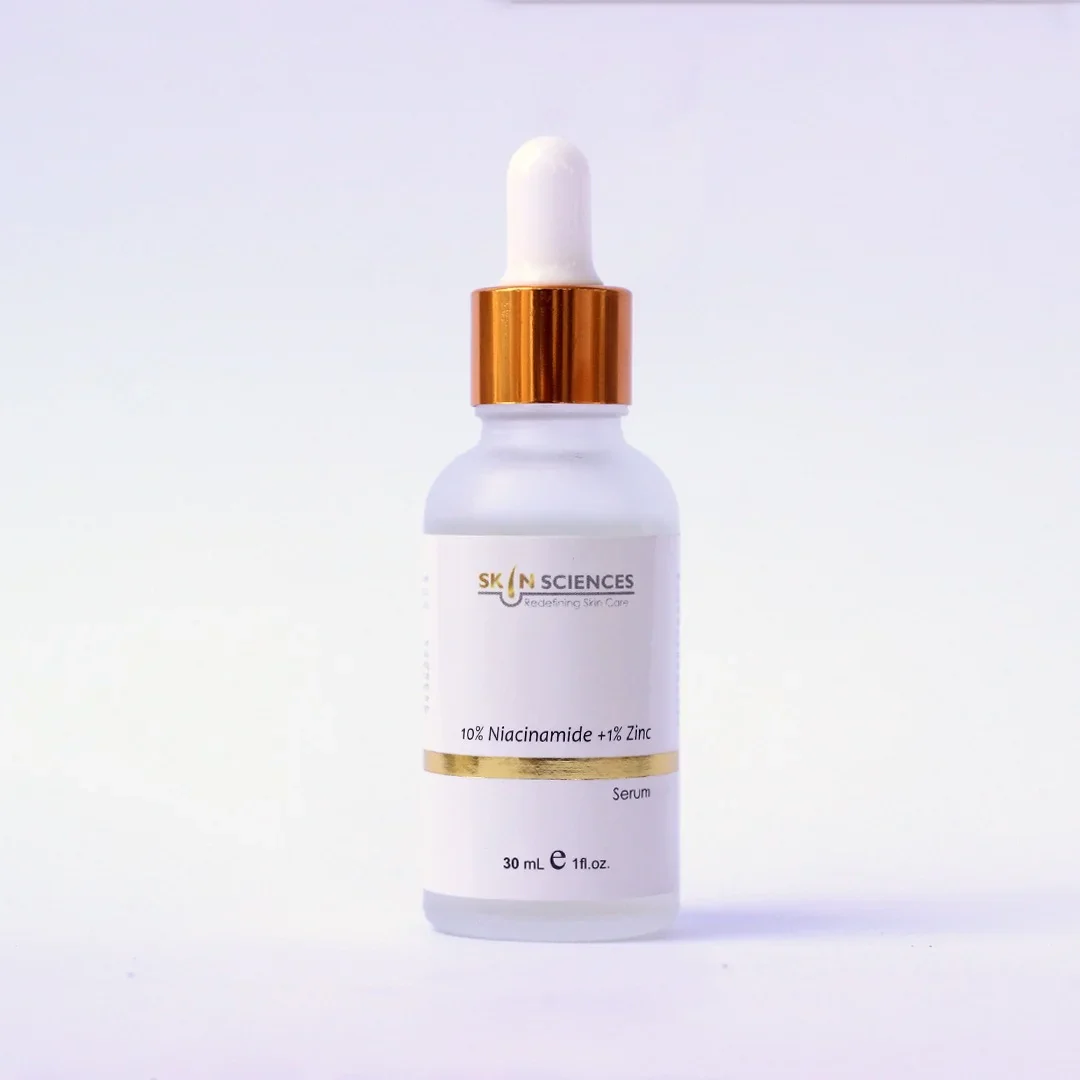
You can explore skincare options from Skin Sciences when comparing products for your daily routine. Review the ingredient information and product instructions to determine whether a particular serum meets your skin’s needs.
Remember, the right serum is one that suits your skin and fits comfortably into a consistent skincare routine.
Frequently Asked Questions
1. Does niacinamide really help repair the skin barrier?
Niacinamide can support skin barrier function by helping maintain ceramide production and reducing moisture loss. It may improve skin hydration and comfort when used as part of a suitable skincare routine.
2. Can I use niacinamide serum every day?
Most people can use a well-formulated niacinamide serum daily if their skin tolerates it. Follow the product instructions and introduce it gradually if you have sensitive skin.
3. How long does niacinamide take to improve the skin barrier?
The time varies depending on the product, skin condition, and routine. Some people may notice improved skin comfort within a few weeks, while visible changes can take longer.
4. Is niacinamide suitable for sensitive skin?
Niacinamide is generally well tolerated by many people with sensitive skin. However, individual reactions can vary. Choose a gentle formula and perform a patch test before regular use.
5. Can niacinamide help with dry and flaky skin?
Niacinamide may help support the skin barrier and reduce moisture loss. For dry or flaky skin, combine it with a suitable moisturiser to provide additional hydration.
6. Can I use niacinamide with hyaluronic acid?
Yes. These ingredients are commonly used together. Hyaluronic acid attracts moisture, while niacinamide supports the skin barrier and helps maintain hydration.
7. Does niacinamide help control oily skin?
Niacinamide may help regulate sebum production and improve the appearance of oily skin. However, results vary, and it should be used as part of a balanced skincare routine.
8. Should I use niacinamide in the morning or at night?
You can generally use niacinamide in either routine if your skin tolerates it. During the day, follow your skincare routine with sunscreen.
Final Words
A healthy skin barrier is important for maintaining moisture, protecting your face from external irritants, and keeping your skin comfortable. Niacinamide can support this protective layer by helping maintain ceramide production, reducing moisture loss, and improving the appearance of uneven skin tone.
If you are comparing options for the Niacinamide Serum , focus on your skin type, ingredient list, concentration, and product quality instead of choosing only by popularity. You can also explore Skin Sciences skincare options when building a suitable routine.
Remember, healthy skin does not require dozens of products. A gentle cleanser, suitable serum, moisturiser, and daily sunscreen can provide a practical foundation for your skincare routine.
