
Introduction
Starting a new skincare product can make you excited about seeing changes in your skin. However, when it comes to retinol, results do not appear overnight. Some people notice small improvements in skin texture within a few weeks, while concerns such as fine lines, dark spots, and acne may take several months to improve.
Retinol is a popular skincare ingredient because it supports skin cell turnover and helps improve the appearance of different skin concerns. However, the results depend on your skin type, product strength, application method, and consistency.
If you are searching for the Best Retinol Serum in Pakistan, it is important to understand how long retinol takes to work before choosing a product. In this guide, we will explain the retinol results timeline, what changes you can expect, how to use it correctly, and how to avoid common mistakes.
Why Does Retinol Take Time to Work?
Retinol needs time because it works gradually rather than providing an instant cosmetic effect. It is a vitamin A derivative that supports the natural skin renewal process.
Your skin continuously produces new cells while older cells move towards the surface. Retinol helps regulate this process and supports healthier-looking skin over time.
It also influences processes involved in collagen production. Collagen is a protein that helps maintain skin firmness and structure.
However, these changes happen gradually. That is why using retinol for a few days and expecting dramatic results is unrealistic.
Consistency is more important than applying a strong product too frequently. Choosing a suitable formula, following a proper routine, and protecting your skin from sunlight can help you get better results.
How Long Does Retinol Take to Work for Different Skin Concerns?
Retinol can help improve several common skin concerns. However, each concern may require a different amount of time.
1. How Long Does Retinol Take to Reduce Acne?
Retinol can help improve acne by supporting skin cell turnover and preventing dead skin cells from building up inside pores. Clogged pores are one of the common factors behind blackheads, whiteheads, and some types of acne.
Some people may notice early changes within 6–8 weeks. However, more noticeable improvement can take around 8–12 weeks or longer.
If you have frequent breakouts, avoid applying too much retinol. Overuse can irritate your skin and make existing redness or discomfort worse.
For persistent, painful, or severe acne, consult a dermatologist rather than depending only on a cosmetic serum.
2. How Long Does Retinol Take to Improve Dark Spots?
Dark spots can develop due to sun exposure, acne marks, hormonal changes, and skin inflammation.
Retinol supports skin renewal, which may gradually improve the appearance of uneven pigmentation. However, dark spots do not disappear immediately.
You may need 8–12 weeks or several months to notice meaningful changes. Deeper pigmentation can take longer and may require professional treatment.
Daily sunscreen is especially important because sunlight can make pigmentation worse. Even if you use a good retinol product, skipping sun protection can limit your progress.
3. How Long Does Retinol Take to Reduce Fine Lines?
Retinol is widely used in skincare routines for improving the appearance of fine lines and early signs of ageing.
It supports collagen-related skin processes and helps improve skin texture over time.
Some improvements in texture may appear within 8–12 weeks, but visible changes in fine lines often require three to six months of consistent use.
Deep wrinkles are different from early fine lines. Retinol may soften their appearance, but it cannot completely remove deep wrinkles.
4. How Long Does Retinol Take to Improve Skin Texture?
Uneven skin texture can make your face look rough or dull. It may develop due to dead skin cell buildup, clogged pores, acne, and natural ageing.
Retinol supports the skin renewal process, which can gradually make the skin look smoother.
Some people notice improvements within 4–8 weeks. However, the results depend on the original skin concern and how well your skin tolerates the product.
Avoid combining too many exfoliating products with retinol because this can increase irritation.
What Factors Affect How Quickly Retinol Shows Results?
Not everyone gets the same results from retinol. Several factors can influence how quickly your skin responds.
1. Retinol Concentration
The concentration of retinol can affect how strong a product feels on your skin. Beginners should generally start with a lower concentration and increase it only if their skin tolerates it.
A higher concentration does not automatically mean faster or better results. It can also increase the risk of dryness, redness, and irritation.
2. Skin Type
Your skin type can influence how comfortably you use retinol.
- Oily skin: May tolerate certain retinol formulas well, but can still experience irritation.
- Dry skin: May need extra moisturising support.
- Combination skin: May experience different levels of sensitivity in different areas.
- Sensitive skin: Should approach retinol carefully and may need professional guidance.
Understanding your skin type helps you select a suitable serum and skincare routine.
3. Consistency of Use
Using retinol regularly according to your skin’s tolerance is important for achieving gradual improvements.
Applying it once and then stopping for several weeks will not provide consistent results. However, using it every night from the beginning is also not necessary.
Start slowly and follow a routine that your skin can comfortably tolerate.
4. Sun Exposure and Sunscreen Use
Sun exposure can worsen dark spots, uneven skin tone, and signs of ageing.
In Pakistan, sunlight can be strong, especially during summer. Therefore, sunscreen should be an important part of your morning skincare routine.
Use a broad-spectrum SPF 30 or higher sunscreen every morning and reapply when needed, particularly when spending time outdoors.
5. Overall Skincare Routine
Your other skincare products can also affect how well your skin tolerates retinol.
A gentle cleanser, moisturiser, and sunscreen provide basic support. Avoid using several strong active ingredients together, especially when you are new to retinol.
A simple routine is often easier to maintain and less likely to cause unnecessary irritation.
How to Use Retinol Serum for Better Results
Using retinol correctly can help reduce irritation and make your skincare routine easier to maintain. If you are a beginner, follow these simple steps.
1: Clean Your Face Gently
Start by washing your face with a gentle cleanser. Remove makeup, dirt, and excess oil without scrubbing your skin.
Pat your face dry with a clean towel. If you have sensitive skin, allow your face to dry completely before applying retinol.
2: Apply a Small Amount of Retinol Serum
Take a small amount of serum and spread it gently over your face. Avoid applying it too close to your eyes, nostrils, and lips.
You do not need a large quantity to cover your face. Applying more product will not make results appear faster.
3: Follow with a Moisturizer
After applying retinol, use a gentle moisturizer to support your skin barrier and reduce dryness.
If your skin is sensitive, you can try the sandwich method. Apply a thin layer of moisturizer first, followed by retinol and another layer of moisturizer.
4: Use Sunscreen the Next Morning
The next morning, wash your face gently and apply moisturizer followed by broad-spectrum sunscreen.
This step is important for protecting your skin from UV damage and preventing existing dark spots from becoming more noticeable.
How Often Should You Use Retinol as a Beginner?
If you have never used retinol before, starting slowly is a sensible approach.
You can follow this general schedule:
- Weeks 1–2: Apply retinol twice a week.
- Weeks 3–4: If your skin tolerates it, increase to three nights a week.
- After four weeks: Gradually increase frequency if needed and tolerated.
You do not have to use retinol every night to get results. Your skin’s comfort should guide how frequently you apply it.
If you experience persistent burning, significant redness, or painful peeling, stop using the product and seek advice from a dermatologist.
What Are the Common Mistakes That Delay Retinol Results?
Sometimes people do not get the expected results because they make mistakes in their skincare routine.
Here are some common mistakes to avoid:
1. Applying Too Much Product
Using extra serum does not speed up skin renewal. Instead, it can increase irritation and dryness.
Always follow the product instructions and use an appropriate amount.
2. Starting with a High Concentration
Beginners sometimes choose stronger formulas because they expect faster improvements.
However, high concentrations can be difficult for inexperienced users to tolerate. Start with a suitable lower-strength formula.
3. Skipping Moisturizer
Retinol can cause dryness, especially during the adjustment period. Skipping moisturizer may make your skin feel uncomfortable.
Choose a gentle moisturizer that supports your skin barrier.
4. Not Applying Sunscreen
Skipping sunscreen can contribute to sun damage and make pigmentation concerns harder to manage.
Make sunscreen a daily habit, even when the weather is cloudy.
5. Expecting Overnight Results
Retinol is not an instant treatment. Stopping after two or three weeks because you cannot see major changes may prevent you from assessing its actual benefits.
Give your skincare routine enough time while monitoring how your skin responds.
How Can You Choose the Best Retinol Serum in Pakistan?
Choosing a suitable retinol serum is not just about finding the strongest formula. You should consider your skin type, skincare experience, product formulation, and individual concerns.
Here are some important points to check before purchasing:
- Retinol concentration: Beginners should look for a suitable lower-strength option rather than immediately choosing a strong formula.
- Product ingredients: Look for supportive moisturising ingredients that help reduce dryness.
- Skin compatibility: Select a formula that suits your skin type and sensitivity level.
- Product instructions: Check the recommended application frequency and storage instructions.
- Product quality: Purchase from a reliable brand or authorised seller and check the packaging, expiry date, and ingredient list.
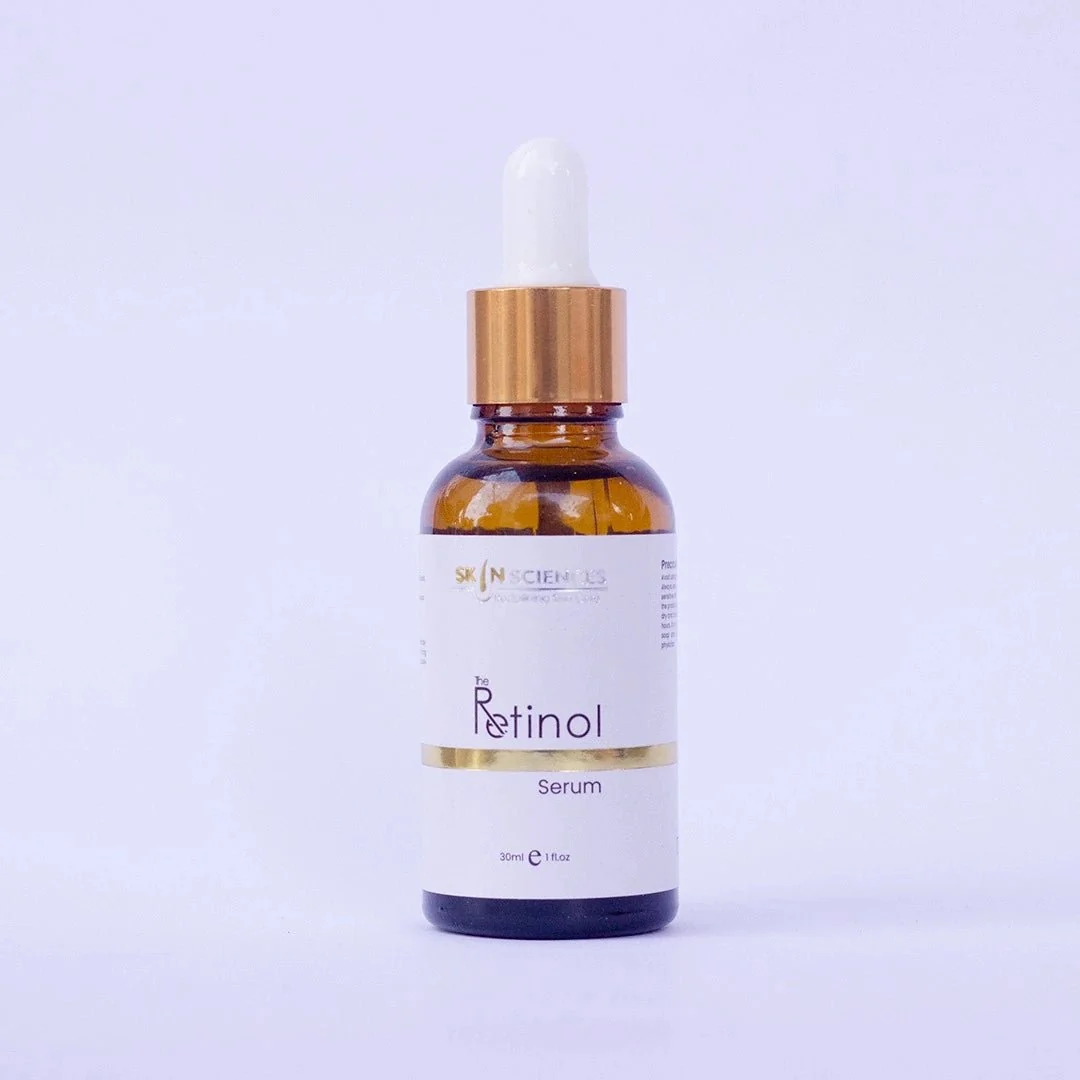
If you are exploring the Best Retinol Serum in Pakistan, Skin Sciences is one brand you can consider when comparing available skincare options.
Before choosing its retinol serum, review the current product information, including its retinol concentration, full ingredient list, and directions for use. This will help you decide whether the formula matches your skincare needs.
Remember, the best product is not necessarily the strongest one. It is the one your skin can tolerate and that fits your skincare routine.
Is Retinol Suitable for Pakistani Weather?
Yes, people living in Pakistan can use retinol, but they should consider their local weather and sun exposure.
During summer, high temperatures and outdoor activities can make daily sun protection particularly important. People who spend several hours outside should be careful about sunscreen application and reapplication.
In winter, dry air and cold weather may increase skin dryness. Therefore, using a suitable moisturizer becomes even more important.
Regardless of the season, introduce retinol gradually and avoid using it on sunburned, irritated, or damaged skin.
Can You Use Retinol Every Night?
You may be able to use retinol every night if your skin has gradually adjusted and the product instructions allow frequent application.
However, nightly use is not necessary for everyone. Some people get good results with less frequent application.
If you experience ongoing irritation, reduce the frequency or stop using the product until your skin recovers. Do not force your skin to follow a daily routine just because someone else uses retinol every night.
Who Should Avoid Using Retinol?
Although retinol is suitable for many skincare routines, it is not appropriate for everyone.
- Pregnant women should avoid retinol and other topical retinoids as a precaution.
- People who are breastfeeding should consult their healthcare professional before using retinol.
- People with eczema, rosacea, or an already damaged skin barrier should seek professional advice before starting.
- Anyone experiencing severe skin irritation should stop using the product and consult a dermatologist.
If you are using prescription acne treatments or other strong skincare ingredients, ask a dermatologist whether retinol is suitable for your routine.
Frequently Asked Questions (FAQs)
1. How many weeks does retinol take to show results?
Retinol may show early improvements in skin texture within 4–8 weeks. More noticeable changes in acne, pigmentation, and fine lines may take 8–12 weeks or several months, depending on your skin and the concern being treated.
2. Can I use retinol every day for faster results?
No. Daily use does not guarantee faster results. Beginners should start with two applications per week and gradually increase frequency according to their skin’s tolerance and product instructions.
3. Does retinol make your skin look worse before it gets better?
Some people experience temporary dryness, redness, peeling, or irritation when starting retinol. However, severe irritation is not a necessary stage of treatment. Stop using the product if your skin becomes significantly uncomfortable.
4. Can retinol remove dark spots completely?
Retinol may help fade the appearance of some dark spots over time, but it cannot guarantee complete removal. The results depend on the cause and depth of pigmentation. Sunscreen is also essential.
5. Should I use retinol in the morning or at night?
Night-time application is generally recommended for retinol. Follow the product instructions and use broad-spectrum sunscreen during the day.
6. What should I apply after retinol serum?
A gentle moisturizer is a good choice after retinol. It helps reduce dryness and supports the skin barrier. Avoid adding multiple strong active ingredients to the same routine, especially as a beginner.
7. Is retinol suitable for sensitive skin?
People with sensitive skin may experience more irritation from retinol. They should start cautiously, consider professional advice, and use a gentle moisturizer. If irritation continues, discontinue use.
Final Words
Retinol is a useful skincare ingredient for people who want to improve the appearance of acne, dark spots, fine lines, and uneven skin texture. However, it requires patience and consistent use to deliver noticeable improvements.
Most people should allow at least 8–12 weeks to assess early results, while some concerns may require several months of regular use.
If you are looking for the Retinol Serum , focus on product quality, suitable concentration, skin compatibility, and proper application rather than expecting instant results.
Skin Sciences can be considered as part of your product research. Choose a formula that matches your skin’s needs, follow a simple skincare routine, and remember that moisturizer and sunscreen are important parts of using retinol safely.
