
Have you recently started using retinol and noticed that your skin is becoming dry, flaky, or rough? Do not worry. This is a common experience for some people when they first introduce retinol into their skincare routine. Retinol is a popular skincare ingredient known for improving the appearance of fine lines, uneven skin tone, and acne marks. However, it can also cause dryness and peeling, especially during the early weeks of use.
The good news is that you can reduce discomfort by using retinol correctly and choosing a Best Retinol Serum in Pakistan formula that suits your skin. Understanding why peeling happens can help you build a better skincare routine and avoid unnecessary irritation.
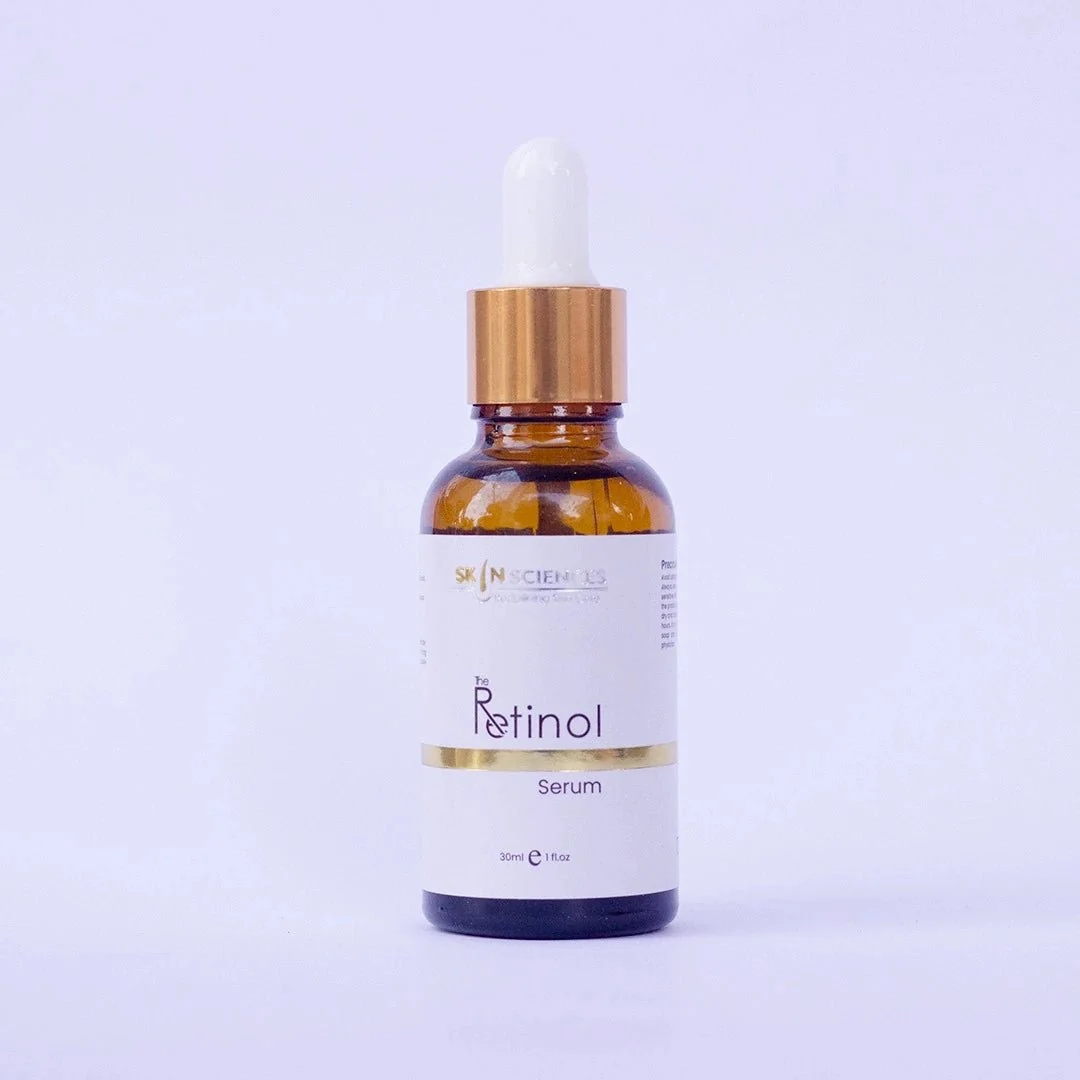
What Is Retinol and How Does It Work?
Retinol is a form of Vitamin A commonly used in skincare products. It helps support skin cell turnover, which is the natural process of removing old skin cells and replacing them with new ones.
With regular use, retinol may help improve the appearance of fine lines, wrinkles, dark spots, and uneven skin texture.
However, retinol can also affect the skin’s natural protective barrier, particularly when you use too much or start with a strong formula. This is one reason why some people experience dryness, redness, and peeling.
Why Does Retinol Cause Skin Peeling?
Skin peeling can happen for several reasons when you start using retinol. Here are some common causes.
1. Increased Skin Cell Turnover
Retinol helps regulate the skin’s natural renewal process. When you start using it, your skin may become dry or flaky as it adjusts to the ingredient.
This does not mean that more peeling will give you better results. Healthy skincare should improve your skin without causing unnecessary discomfort.
2. Using a High Retinol Concentration
One common mistake is starting with a high-strength retinol serum. Stronger formulas may increase the risk of dryness, redness, and irritation, especially for beginners.
If you have never used retinol before, starting with a lower concentration is generally a better approach. Give your skin time to adjust before considering a stronger formula.
3. Applying Retinol Too Frequently
Using retinol every night from the beginning can be too much for your skin. Your skin may not be ready for frequent application, which can lead to peeling and irritation.
Start slowly and follow the product instructions. Using it on alternate nights or less frequently at first may help improve tolerance.
4. Not Using Enough Moisturizer
Retinol can make your skin feel dry, especially during the first few weeks. If you do not use a suitable moisturizer, this dryness may become more noticeable.
A gentle moisturizer helps support the skin barrier and reduce moisture loss. It can make your skincare routine more comfortable.
5. Combining Too Many Active Ingredients
Using retinol with several strong skincare ingredients at the same time can increase irritation.
For example, combining retinol with exfoliating acids such as glycolic acid or salicylic acid may be too harsh for some people, particularly beginners.
Keep your routine simple when introducing retinol. Add other active ingredients gradually only if your skin tolerates them.
Is Retinol Peeling Normal or a Sign of Skin Damage?
Mild dryness or light flaking can happen when you first start using retinol. However, painful peeling, strong burning, swelling, or persistent redness should not be considered normal.
There is an important difference between mild adjustment and irritation.
If your skin becomes painful, very red, or starts cracking, stop using retinol. Use a gentle cleanser and moisturizer while your skin recovers. Seek medical advice if symptoms are severe or do not improve.
Remember, peeling is not proof that retinol is working. You do not need irritated skin to get skincare benefits.
How Can You Reduce Skin Peeling When Using Retinol?
You can follow a few simple steps to make your retinol routine more comfortable.
Start With a Low Concentration
If you are a beginner, choose a lower-strength formula. This can help your skin gradually adjust to retinol.
Apply Retinol on Dry Skin
After washing your face, allow your skin to dry before applying retinol. Applying it to damp skin may increase irritation for some people.
Use the Sandwich Method
If your skin is sensitive, you can try applying a thin layer of moisturizer before and after retinol. This method may help reduce dryness and discomfort.
Do Not Forget Sunscreen
Retinol can make your skincare routine more sensitive to sun-related irritation. Use broad-spectrum sunscreen with SPF 30 or higher every morning and reapply when needed.
Avoid Overusing Other Active Ingredients
Do not overload your routine with multiple exfoliating products. Give your skin time to adjust to one active ingredient before adding another.
How to Choose the Right Retinol Serum for Your Skin?
Not every retinol serum has the same strength or formulation. Some products contain lower concentrations, while others are designed for experienced users.
Before choosing a serum, consider these points:
- Retinol concentration: Beginners should generally start with a lower strength.
- Skin type: Consider whether your skin is dry, oily, sensitive, or combination.
- Supporting ingredients: Hydrating ingredients can help make a formula more comfortable.
- Product instructions: Always follow the recommended application method and frequency.
When looking for the Best Retinol Serum in Pakistan, do not choose a product simply because it contains a higher percentage of retinol. The right formula should match your skin’s needs and tolerance.
Skin Sciences offers skincare options for different skin concerns. Before choosing a retinol product, check its ingredients, formulation, and usage instructions to understand whether it suits your skincare routine.
Frequently Asked Questions (FAQs)
1. How Long Does Retinol Peeling Last?
Mild dryness and flaking may occur during the first few weeks of retinol use. However, the duration varies from person to person. Persistent or painful peeling should be checked by a dermatologist.
2. Should I Stop Using Retinol If My Skin Starts Peeling?
If you experience mild dryness, you may reduce how often you apply it and improve moisturization. If you have significant peeling, burning, or redness, stop using it until your skin recovers.
3. Can I Apply Moisturizer After Retinol Serum?
Yes. Applying moisturizer after retinol can help maintain hydration and reduce dryness. People with sensitive skin may also try the moisturizer sandwich method.
4. Can Beginners Use Retinol Every Night?
It is better not to start with nightly application. Begin slowly according to the product instructions and increase frequency only if your skin tolerates it.
5. Does Skin Peeling Mean Retinol Is Working?
No. Peeling is a possible side effect, not a sign of successful treatment. Retinol can provide benefits without causing visible peeling.
Final Words
Retinol can help improve the appearance of fine lines, dark spots, and uneven skin texture, but it may also cause dryness and peeling when you first start using it.
The best approach is to start slowly, use a suitable moisturizer, avoid combining too many active ingredients, and apply sunscreen every day. Remember that healthy skin does not need to peel to look better. Choose a suitable formula, be patient, and give your skincare routine time to work.
