
Vitamin C serum is a popular skincare product because it helps improve dull skin, supports collagen production, and reduces the appearance of dark spots. However, some people notice redness, itching, dryness, or a burning feeling after applying it. This can be confusing, especially when the product is supposed to improve skin health.
The truth is that not every skin type reacts to Vitamin C in the same way. The strength of the serum, its ingredients, and the condition of your skin can all affect the results. Understanding these reasons can help you use Best Vitamin C In Pakistan safely and make better skincare choices.
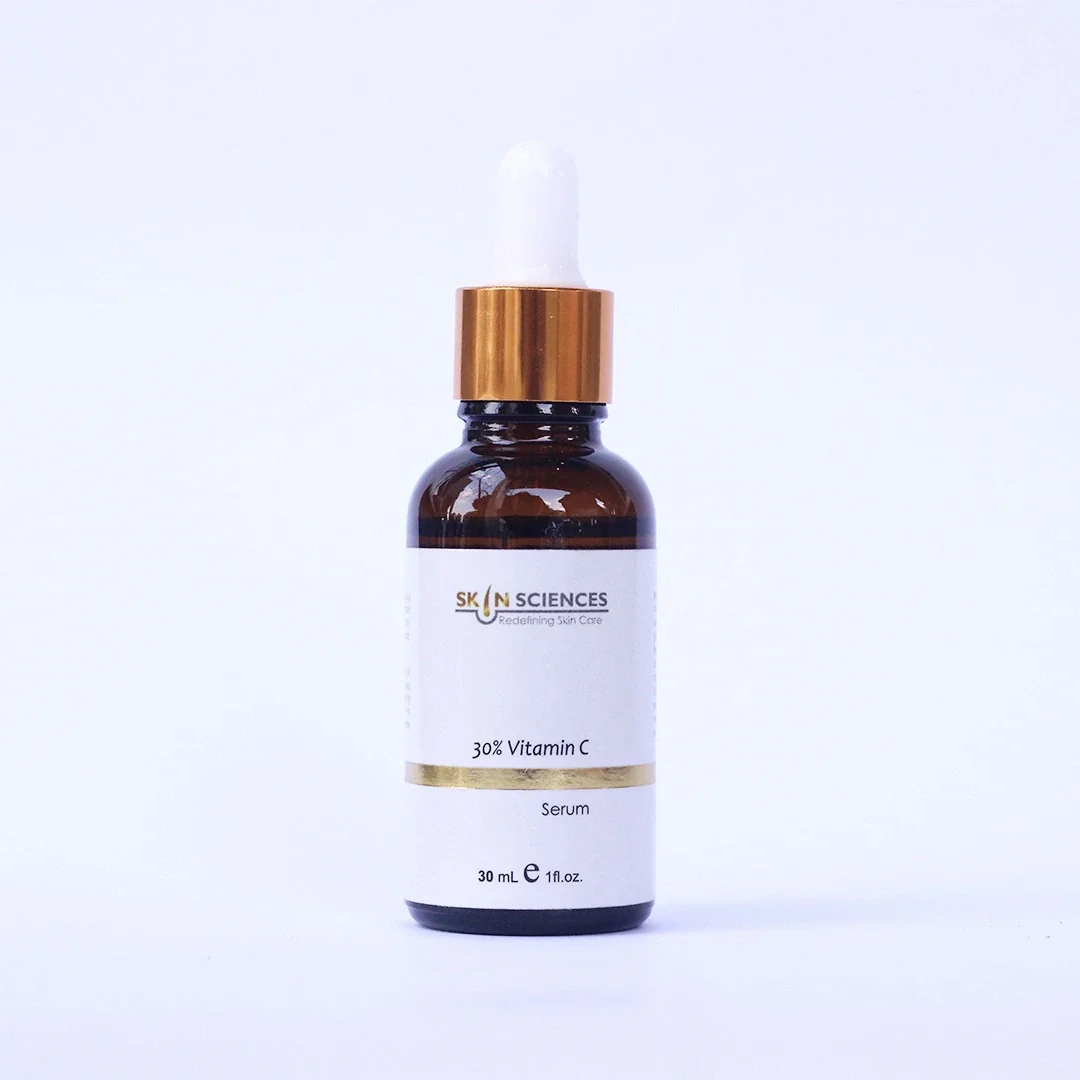
What Causes Vitamin C Serum to Irritate Your Skin?
Vitamin C is generally suitable for many people, but certain factors can make it uncomfortable for the skin. Here are some common reasons why irritation may happen.
1. Using a High Concentration of Vitamin C
One common reason for skin irritation is using a serum with a high concentration of Vitamin C. Strong formulas may cause redness, dryness, or a stinging feeling, especially in people who are new to this ingredient.
For example, someone with sensitive skin may find a strong formula uncomfortable. Starting with a lower concentration can help the skin adjust more comfortably. A stronger product does not always mean better results.
2. Having Sensitive or Damaged Skin
People with sensitive skin may react more easily to active skincare ingredients. If your skin is already dry, irritated, or damaged, Vitamin C serum may make the problem worse.
Using harsh face washes, scrubs, or too many skincare products can also weaken the skin barrier. When this protective layer is not healthy, products may cause more discomfort than usual.
It is better to let irritated skin recover before introducing another active ingredient.
3. Using Too Many Active Ingredients Together
Combining several active ingredients without understanding how they work can increase the risk of irritation.
For example, using Vitamin C with strong exfoliating acids or retinol in the same routine may be too much for some skin types. This can lead to dryness, redness, and peeling.
If you are a beginner, introduce one active ingredient at a time. This makes it easier to understand how your skin responds to each product.
4. Applying Too Much Serum
Using more serum does not make it work faster. Applying too many drops can increase the chance of discomfort, particularly if your skin is sensitive.
Most facial serums require only a small amount. Follow the instructions on the product packaging and avoid applying extra layers without a reason.
5. Using an Old or Poorly Stored Serum
Vitamin C can lose its stability when exposed to air, heat, and light. Poor storage may affect the quality of the formula over time.
If your serum develops a noticeable dark brown colour, has an unusual smell, or changes in texture, check the manufacturer’s guidance and consider replacing it. Always close the bottle tightly and keep it away from direct sunlight.
What Are the Common Signs of Vitamin C Serum Irritation?
Your skin may show different signs when a product does not suit it. Some common symptoms include:
- Redness or small irritated areas.
- Dryness and rough skin.
- Itching or uncomfortable tingling.
- Peeling or flaky patches.
- A burning feeling after application.
Mild, short-lasting tingling can happen with some formulas. However, strong burning, swelling, or lasting redness should not be ignored.
How Can You Prevent Skin Irritation When Using Vitamin C Serum?
You do not always need to avoid Vitamin C if your skin experiences mild discomfort. Changing how you use it may help, but you should stop using a product that causes a clear reaction.
Start With a Patch Test
Before applying a new serum to your entire face, test a small amount on a small area of skin, such as your inner arm. Follow the product instructions and watch for redness, itching, or swelling.
A patch test can help identify a possible reaction, although it cannot guarantee that your face will never become irritated.
Use a Gentle Skincare Routine
Keep your routine simple when introducing Vitamin C. Use a gentle cleanser, apply a small amount of serum as directed, and follow with a suitable moisturizer.
Avoid adding several new active ingredients at the same time. This helps you understand which product may be causing a problem.
Choose a Formula That Matches Your Skin
Not every serum has the same formulation. Some contain pure Vitamin C, while others use Vitamin C derivatives. Their strength, pH, and additional ingredients can affect how they feel on your skin.
If you have sensitive skin, look for a suitable gentle formula and check the complete ingredient list before buying.
How Does Skin Sciences Help You Make Better Skincare Choices?
Choosing the right skincare product is an important step towards maintaining healthy-looking skin. Skin Sciences focuses on skincare products designed to address common skin concerns.
When looking for the Vitamin C Serum in Pakistan, consider more than just the product name. Check its ingredients, formulation, packaging, and suitability for your skin type.
Remember that a good skincare product should fit your skin’s needs rather than simply follow a popular trend. If you are unsure which formula is suitable, ask a dermatologist for advice.
Frequently Asked Questions (FAQs)
1. Is It Normal to Feel a Little Tingling After Applying Vitamin C Serum?
Some people experience mild, short-lasting tingling after application. However, strong burning, itching, or lasting redness is not normal and should not be ignored.
2. Can Vitamin C Serum Cause Redness on Sensitive Skin?
Yes. Sensitive skin may react to certain Vitamin C formulas, especially those with higher concentrations or low pH. Choosing a suitable formula and performing a patch test can help reduce the risk.
3. Should I Stop Using Vitamin C Serum If My Skin Burns?
Yes. Stop using the serum if you experience burning or significant irritation. Gently rinse the product off and avoid other active skincare ingredients until your skin feels normal. Seek medical advice if the reaction is severe or does not improve.
4. Can I Use Moisturizer After Vitamin C Serum?
Yes. Applying a suitable moisturizer after Vitamin C serum can help keep your skin hydrated. Follow the application instructions provided with your serum.
5. How Often Should Beginners Use Vitamin C Serum?
Beginners can start slowly, following the product instructions. Using it every other day may be a suitable starting approach for some people. Increase frequency only if your skin tolerates it well.
Final Words
Vitamin C serum can be a useful part of a skincare routine, but the right formula and proper application matter. High concentrations, sensitive skin, excessive product use, and combining too many active ingredients can all contribute to irritation.
Take time to understand your skin, introduce new products slowly, and never ignore signs of discomfort. With the right skincare choices, you can work towards healthier-looking skin without putting unnecessary stress on your skin barrier.
