
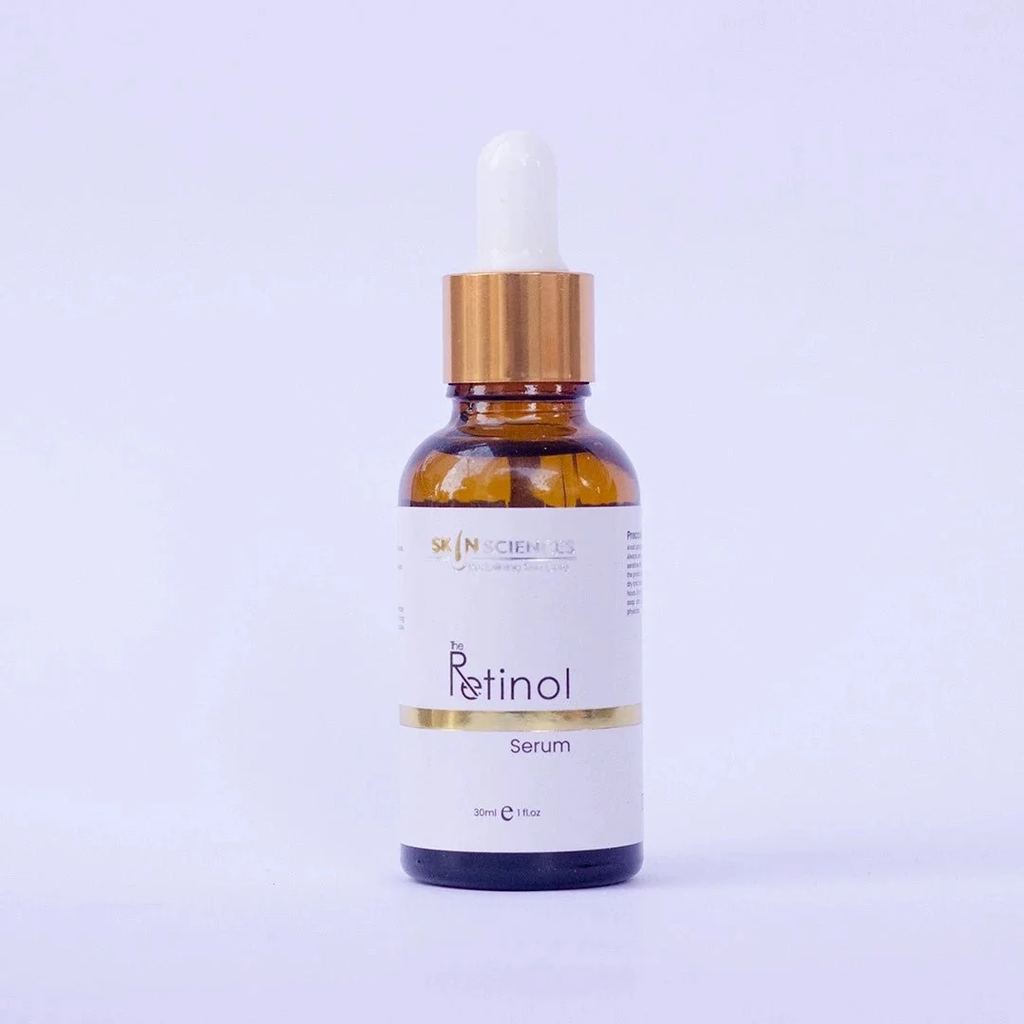
Healthy and radiant skin requires more than a basic cleansing and moisturizing routine. As people become more aware of skincare ingredients, retinol has gained attention for its ability to improve skin texture, support skin renewal and reduce the appearance of fine lines. However, choosing the right product can be challenging, especially when different formulations, strengths and skin types are involved.
If you are researching the best retinol serum in pakistan understanding how this ingredient works is an important first step. A suitable serum should match your skin’s needs, be comfortable to use and fit into a balanced skincare routine. Skin Sciences believes that informed skincare decisions begin with reliable information, ingredient awareness and consistent habits.
What Is Retinol and How Does It Work?
Retinol is a form of vitamin A that belongs to a group of ingredients called retinoids. It is commonly used in skincare products designed to improve the appearance of uneven texture, fine lines and certain types of pigmentation.
Retinol works by influencing the skin’s natural renewal processes. With regular and appropriate use, it can help improve the appearance of rough skin and support a smoother-looking complexion.
It is important to understand that retinol does not produce overnight results. Skin usually needs time to adjust, and visible improvements may take several weeks or longer. Results also depend on the formulation, concentration, individual skin condition and consistency of use.
Why Is Retinol Popular in Pakistan?
Pakistan has different weather conditions throughout the year. Hot summers, humidity, dry winters and environmental exposure can influence how skin feels and behaves.
These conditions make choosing skincare products according to individual needs particularly important. Retinol has become a popular ingredient because it addresses several common cosmetic concerns.
Some potential benefits include:
- Improved skin texture: Helps improve the appearance of rough and uneven skin.
- Fine-line appearance: May reduce the visibility of early signs of ageing.
- Uneven skin tone: Can help improve the appearance of certain pigmentation concerns.
- Acne-related concerns: Certain retinoids can help manage mild acne, although suitability depends on the individual.
- Skin renewal: Supports natural skin renewal processes over time.
These benefits are not guaranteed for everyone. The right approach depends on skin sensitivity, product strength and regular sun protection.
How to Choose the Right Retinol Serum for Your Skin
Selecting a skincare serum should involve more than looking at its packaging or popularity. Understanding the ingredients, formulation and your skin’s current condition can help you make a more informed decision.
1. Understand the Retinol Concentration
Retinol products are available in different strengths. Beginners generally benefit from starting with a lower concentration to reduce the likelihood of irritation.
A stronger formulation is not automatically better. Your skin’s tolerance and the product’s overall formulation matter more than choosing the highest available percentage.
Always check the ingredient information and manufacturer’s directions before purchasing.
2. Consider Your Skin Type
Different skin types may respond differently to retinol.
- Oily skin: May benefit from a lightweight, non-greasy formulation.
- Dry skin: May need additional moisturizing support to reduce dryness.
- Combination skin: Should consider a balanced formulation that does not leave dry areas uncomfortable.
- Sensitive skin: Requires extra caution because retinol may cause redness, irritation or peeling.
If you have persistent irritation, eczema, rosacea or another skin condition, consult a dermatologist before introducing retinol.
3. Check Supporting Ingredients
A well-planned skincare formula may include ingredients that help maintain moisture and support the skin barrier.
Some commonly used ingredients include:
- Hyaluronic acid: Helps attract and retain moisture.
- Ceramides: Support the skin’s protective barrier.
- Niacinamide: Helps support the skin barrier and improve the appearance of uneven tone.
- Glycerin: Acts as a humectant to help keep skin hydrated.
The presence of these ingredients does not guarantee that a product will suit everyone. Consider the complete ingredient list rather than focusing on one ingredient alone.
How to Use Retinol Serum Correctly
Using retinol correctly is just as important as selecting a suitable formulation. An unsuitable routine can increase dryness and irritation.
Follow these basic steps when introducing a retinol product.
1: Cleanse Your Face
Wash your face with a gentle cleanser to remove dirt excess oil and makeup. Avoid harsh scrubs or aggressive cleansing products that may irritate the skin.
2: Apply Retinol at Night
Retinol is generally recommended for evening use. Apply the amount directed on the product label to clean, dry skin. Avoid the eye area, lips and corners of the nose unless the product specifically allows application there.
3: Apply a Moisturizer
Use a suitable moisturizer to help maintain hydration. People with dry or sensitive skin may benefit from applying moisturizer before and after retinol, commonly known as the sandwich method.
4: Start Slowly
If you are new to retinol begin with limited weekly applications according to the product instructions. Increase frequency gradually only if your skin tolerates it.
Do not apply more product than recommended. Using extra serum will not necessarily improve results and may increase irritation.
5: Use Sunscreen Every Morning
Daily sun protection is essential when using retinol. Apply broad-spectrum SPF 30 or higher sunscreen in the morning and reapply as directed, particularly when spending time outdoors.
This is especially important in Pakistan, where strong sunlight can contribute to skin damage and pigmentation.
Common Mistakes to Avoid When Using Retinol
Many skincare users experience unnecessary irritation because they introduce active ingredients too quickly.
Here are some mistakes worth avoiding:
- Starting with a high-strength retinol product.
- Applying retinol too frequently during the first few weeks.
- Using several strong active ingredients together without professional guidance.
- Skipping moisturizer when the skin feels dry.
- Forgetting daily sunscreen.
- Applying retinol to irritated, broken or sunburned skin.
- Expecting immediate results after a few applications.
If you experience persistent burning, significant redness or swelling, stop using the product and seek professional advice.
Is Retinol Suitable for Every Skin Type?
Retinol can be beneficial for many people, but it is not suitable for everyone. Individuals with very sensitive or inflamed skin may need alternative ingredients or professional treatment.
People with darker skin tones should also be careful about irritation. Inflammation can sometimes trigger post-inflammatory hyperpigmentation, leaving dark marks after the irritation settles.
Retinoids should be avoided during pregnancy. Anyone who is pregnant, planning pregnancy or breastfeeding should discuss appropriate skincare options with a qualified healthcare professional.
A dermatologist can assess your skin, review your existing routine and recommend an appropriate treatment approach.
Why Choose Skin Sciences for Skincare Guidance?
Choosing skincare products should involve understanding your skin rather than following every trending product recommendation.
Skin Sciences encourages a thoughtful approach to skincare by focusing on ingredient awareness, individual skin requirements and consistent routines.
Before selecting a serum, consider the following:
- Check the product’s complete ingredient list.
- Understand its recommended concentration and directions.
- Review storage instructions and expiry information.
- Choose products from reliable sources.
- Seek professional advice if you have existing skin concerns.
For anyone comparing options for the best retinol serum in pakistan, these considerations can help make the selection process more practical and informed.
Skin Sciences aims to make skincare information easier to understand so consumers can make decisions based on their individual needs rather than unrealistic beauty promises.
How Long Does Retinol Take to Show Results?
Retinol requires patience and consistency. Some people notice changes in skin texture after several weeks, while improvements in fine lines and pigmentation may take longer.
The timeline varies according to the product, concentration, skin condition and frequency of application.
A simple skincare routine with gentle cleansing, appropriate moisturizing and daily sunscreen can help support your skin while introducing retinol.
Avoid changing multiple products at once. Introducing one active ingredient at a time makes it easier to identify which products suit your skin and which may be causing irritation.
Frequently Asked Questions
1. Can beginners use retinol serum?
Yes. Beginners can consider a lower-strength formulation and introduce it gradually. Following product instructions and monitoring skin reactions are important.
2. Can retinol help with acne?
Certain retinoids are used to manage acne. However, cosmetic retinol products are not interchangeable with prescription acne treatments. Consult a dermatologist for persistent or severe acne.
3. Should retinol be used every night?
Not necessarily. Beginners should start slowly and increase frequency only when their skin tolerates the product. Always follow the manufacturer’s directions.
4. Can I use vitamin C and retinol together?
Some skincare routines include both ingredients, but using them together may be irritating for certain skin types. Beginners should consider introducing them separately and seeking professional guidance if needed.
5. Is sunscreen necessary when using retinol?
Yes. Daily broad-spectrum sunscreen helps protect the skin from UV damage. Retinol users should make sun protection an essential part of their morning routine.
6. Can retinol remove dark spots completely?
Retinol may improve the appearance of some pigmentation concerns, but complete removal is not guaranteed. The cause and depth of pigmentation influence treatment outcomes.
Final Thoughts
Retinol can be a valuable addition to a skincare routine when selected and used appropriately. However, the best results come from understanding your skin type, choosing a suitable formulation, introducing active ingredients gradually and maintaining daily sun protection.
Before choosing a product, consider its ingredients, formulation, safety instructions and suitability for your individual needs. Skin Sciences encourages informed skincare choices built around consistency, realistic expectations and professional guidance whenever necessary.
