
Have you ever applied night cream before going to bed, only to feel that your face has become oily and sticky? This can be frustrating, especially if you already have oily or combination skin. You may even wonder whether your skin needs a night cream at all.
A greasy feeling after applying night cream does not always mean the product is unsuitable. It can happen because of the formula, the amount you apply, your skin type, or the way you use other skincare products. Understanding these reasons can help you choose a suitable product and build a comfortable nighttime routine.
If you are searching for the Best Night Cream in Pakistan, it is important to understand what your skin actually needs. A good night cream should support hydration without leaving your face feeling unnecessarily heavy.
Why Does Night Cream Make Your Skin Feel Greasy?
Night cream can make your skin feel greasy for several reasons. The most common cause is using a formula that is too rich for your skin type. However, applying too much product or layering several skincare products can also contribute to the problem.
Let’s look at the main reasons.
1. You Are Using a Heavy Formula
Some night creams contain rich moisturising ingredients that help reduce moisture loss. These formulas may be useful for people with very dry skin, but they can feel heavy on oily or combination skin.
When a cream contains a rich texture, it may leave a noticeable layer on your face. This can create a sticky or greasy feeling, particularly if you live in a warm or humid area.
What can you do?
Choose a night cream with a texture that suits your skin. If your skin is oily, look for a lightweight moisturiser. People with dry skin may prefer a richer formula that provides longer-lasting hydration.
2. You Are Applying Too Much Night Cream
Using more cream does not necessarily provide better results. Your skin only needs an appropriate amount to help maintain moisture.
When you apply a thick layer, the product may not spread or absorb comfortably. As a result, your face can feel sticky, especially around the forehead, nose, and chin.
What can you do?
Start with a small amount and spread it evenly over your face. If your skin still feels dry, you can adjust the amount gradually.
Avoid applying several thick layers unless your skincare professional has recommended a specific routine.
3. Your Night Cream Does Not Match Your Skin Type
Every skin type has different moisturising needs. A cream that feels comfortable on dry skin may feel too heavy on oily skin.
For example, oily skin may need a lightweight moisturiser, while dry skin may benefit from a richer cream. Combination skin may need a balanced formula that hydrates dry areas without making the T-zone feel overly oily.
Choosing a product according to your skin type can make your nighttime routine more comfortable.
4. You Are Layering Too Many Skincare Products
Your nighttime routine may include a cleanser, toner, serum, moisturiser, and night cream. Although these products can serve different purposes, applying too many layers may leave your skin feeling coated.
For example, using a hydrating serum followed by a thick moisturiser and another rich cream may be unnecessary for your skin.
What can you do?
Keep your nighttime routine simple. Use only the products that address your skin’s needs.
A basic routine can include:
- A gentle face wash to remove dirt, oil, and sunscreen.
- A suitable serum if your skin needs additional care.
- A night cream or moisturiser to support hydration.
You do not need to use every skincare product available. A simple and consistent routine is often easier to maintain.
5. Your Skin Is Already Producing Excess Oil
Your skin naturally produces sebum, an oily substance that helps protect its surface. However, some people produce more sebum than others.
If your skin is naturally oily, applying a rich night cream can make your face feel even greasier. This does not mean you should stop moisturising. Instead, you should choose a product with a suitable texture.
Look for a lightweight, non-comedogenic moisturiser if you are concerned about clogged pores. Remember that non-comedogenic products are designed to be less likely to clog pores, but individual reactions can still vary.
Does Oily Skin Really Need Night Cream?
Yes, oily skin also needs moisturising. Having excess oil does not mean your skin has enough water or that it does not need hydration.
Sebum and skin hydration are two different things. Sebum is an oily substance, while hydration relates to the water content of your skin.
When you skip moisturiser completely, your skin may still feel dry or uncomfortable. You might then use harsh cleansers or other products to control oil, which can further disturb your skin’s moisture balance.
Instead of avoiding night cream, choose one that feels comfortable on your skin.
For oily skin, lightweight and non-greasy textures may be a better option. For dry skin, a cream with richer moisturising ingredients may provide more comfort.
Which Ingredients Should You Look for in a Night Cream?
The ingredients in a night cream can affect how it feels and how it supports your skin. Understanding a few common skincare ingredients can help you make a better choice.
1. Hyaluronic Acid for Hydration
Hyaluronic acid is a popular skincare ingredient known for attracting and holding water. It helps support skin hydration and can make the skin feel softer.
It is found in many moisturising products and can be useful for people who experience dehydration.
2. Niacinamide for Skin Barrier Support
Niacinamide is a form of vitamin B3. It is commonly used in skincare because it supports the skin barrier and may help improve the appearance of uneven skin tone.
Some people also use niacinamide as part of a routine for oily or blemish-prone skin.
3. Ceramides to Support the Skin Barrier
Ceramides are lipids naturally found in the skin. They help maintain the skin barrier and reduce moisture loss.
A night cream containing ceramides may be useful for people who experience dryness, tightness, or a weakened skin barrier.
4. Glycerin for Moisture
Glycerin is a humectant that attracts water to the skin. It is widely used in moisturisers because it helps improve hydration.
It can be suitable for different skin types, depending on the overall formula.
5. Retinol for Skin Texture and Fine Lines
Retinol is a vitamin A derivative used in skincare to improve the appearance of fine lines, uneven texture, and certain signs of photoaging.
However, retinol is not suitable for everyone. Beginners should introduce it gradually because it can cause dryness, redness, or irritation.
If you use retinol, follow the product instructions and apply sunscreen during the day. Avoid topical retinoids during pregnancy and consult a healthcare professional if you are breastfeeding.
How Can You Apply Night Cream Without Making Your Face Greasy?
Applying night cream correctly can improve how it feels on your skin. You do not need a complicated routine to keep your face comfortable overnight.
Follow these simple steps:
1: Clean Your Face Properly
Start by washing your face with a gentle cleanser. This helps remove dirt, sweat, excess oil, and makeup.
Avoid using very harsh cleansers because they can leave your skin dry and uncomfortable.
2: Apply Serum If Needed
If you use a serum, apply it according to its instructions. For example, a hydrating serum may be part of your routine if your skin feels dehydrated.
Allow the product to settle before applying your moisturiser.
3: Use a Small Amount of Night Cream
Take a small amount of cream and gently spread it over your face. Avoid applying a very thick layer.
You can use a little more on areas that feel particularly dry, depending on the product’s instructions.
4: Give Your Skincare Time to Settle
After applying night cream, allow it to settle before lying down. This can help prevent the product from transferring onto your pillow.
If your skin continues to feel excessively greasy, consider changing the amount or choosing a lighter formula.
Why Does Night Cream Feel More Greasy in Pakistani Weather?
Weather can affect how skincare products feel on your skin. In Pakistan, temperatures and humidity levels can vary considerably between regions and seasons.
During hot and humid months, sweat and natural oil can combine with a rich night cream. This may make your face feel sticky, especially if you have oily or combination skin.
In colder or drier weather, however, your skin may need more moisturising support.
Here are a few practical tips:
- Choose a lighter night cream during hot and humid weather.
- Consider a richer moisturiser if your skin becomes dry during winter.
- Avoid applying more cream than your skin needs.
- Wash away sweat, dirt, and sunscreen before bedtime.
- Do not skip moisturiser just because your skin is oily.
The most suitable formula is the one that meets your skin’s needs in the current weather.
What Mistakes Should You Avoid When Using Night Cream?
Small mistakes in your skincare routine can make your night cream feel uncomfortable. Avoid these common habits:
Applying too much product: A thick layer may leave your face sticky. Start with a small amount.
Choosing a product only because of its popularity: A popular cream may not suit your skin type. Check its texture and ingredients.
Skipping moisturiser because of oily skin: Oily skin still needs hydration. Choose a suitable lightweight formula instead.
Using too many active ingredients together: Combining several strong skincare ingredients without understanding their use may increase irritation.
Not removing makeup before sleeping: Leaving makeup and sunscreen on overnight can contribute to clogged pores and skin irritation.
Changing products too frequently: Give a new product time to suit your routine, unless you experience irritation or another unwanted reaction.
How Can You Choose the Best Night Cream in Pakistan?
Finding the Best Night Cream in Pakistan is not simply about choosing an expensive or popular product. You should consider your skin type, concerns, ingredients, and the weather in your area.
Before purchasing a night cream, ask yourself these questions:
- Does my skin feel oily, dry, or combination?
- Do I need extra hydration or support for uneven skin tone?
- Does the product have a suitable texture?
- Are the ingredients appropriate for my skincare needs?
- Does the product provide clear usage instructions?
If you have sensitive or acne-prone skin, introduce new products carefully. Patch testing can help you identify possible irritation before applying a product to your entire face.
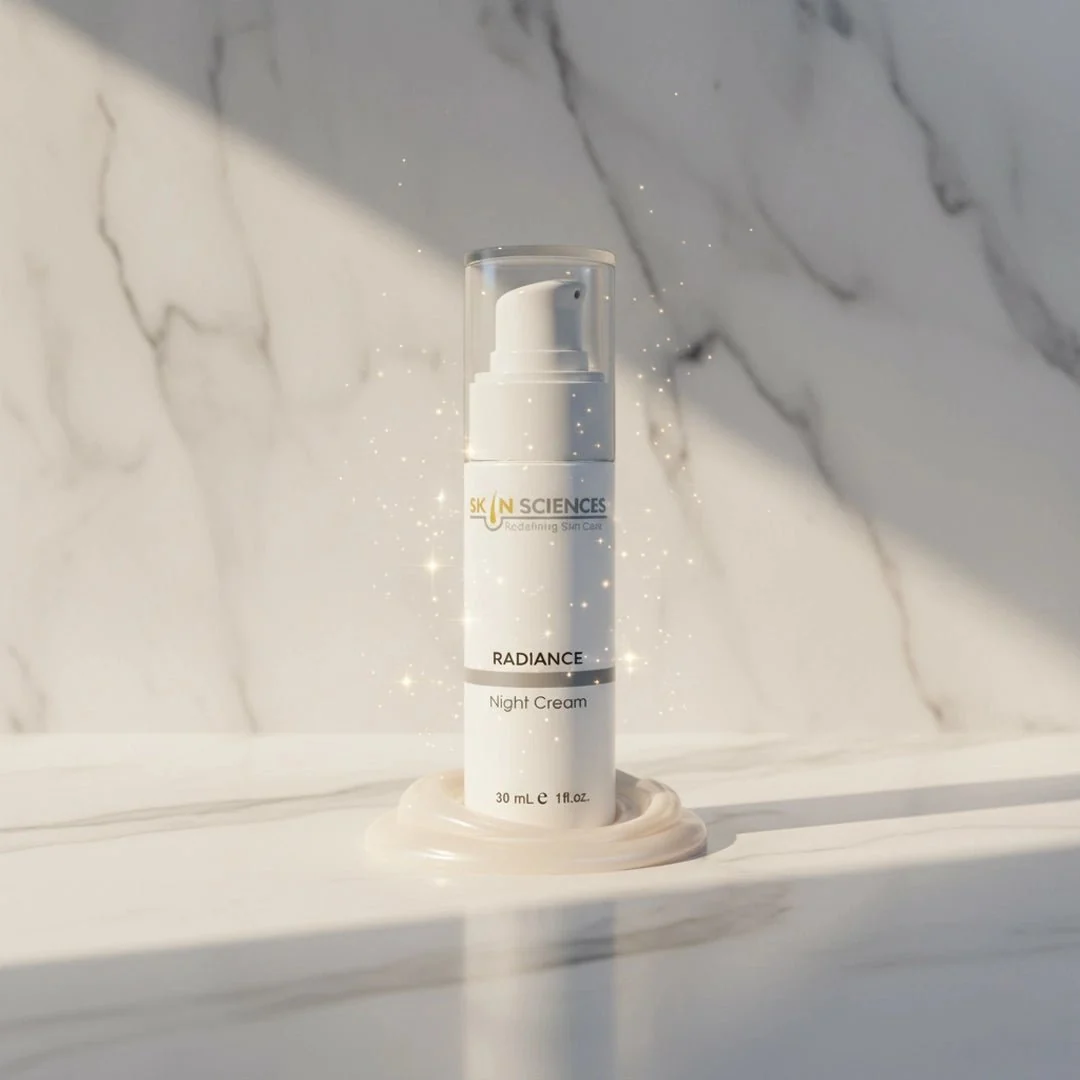
You can explore skincare options from Skin Sciences and compare their product information with your skin’s requirements. Read the ingredient list and usage instructions before adding a product to your nighttime routine.
The right night cream should help your skin feel comfortable and moisturised without creating an unnecessarily heavy layer.
Frequently Asked Questions
1. Why does my face become oily after applying night cream?
Your face may feel oily because the cream is too rich for your skin type, you are applying too much product, or you are layering several skincare products. Choosing a suitable lightweight formula may help.
2. Should I stop using night cream if I have oily skin?
No. Oily skin still needs moisture. Instead of avoiding night cream, choose a lightweight moisturiser that feels comfortable and does not leave your face excessively greasy.
3. Can night cream clog pores?
Some formulas may contribute to clogged pores, particularly if they do not suit your skin. If you are prone to acne, consider products labelled non-comedogenic and monitor how your skin responds.
4. How much night cream should I apply?
Start with a small amount and spread it evenly over your face. The correct quantity depends on the product’s texture and instructions. Applying more cream does not necessarily improve hydration.
5. Is a lightweight night cream better for oily skin?
A lightweight gel or lotion may feel more comfortable on oily skin than a thick cream. However, the best choice depends on your skin’s individual needs and the product’s formulation.
6. Can I use night cream every night?
Many moisturising night creams can be used daily if they suit your skin. Follow the product instructions and reduce use if you experience irritation or discomfort.
7. Should I apply serum before or after night cream?
In most routines, a serum is applied before moisturiser or night cream. However, always follow the instructions for your specific products.
8. Can weather make my night cream feel greasy?
Yes. Hot and humid conditions can make rich skincare products feel heavier because sweat and natural oil can build up on the skin’s surface. A lighter formula may feel more comfortable during summer.
Final Words
A greasy feeling after applying night cream can happen for several reasons, including a heavy formula, excessive product use, unsuitable ingredients, or too many skincare layers. The solution is not always to stop using moisturiser. It is often better to understand your skin type and choose a product that meets its needs.
If you are comparing options for the Night Cream , focus on the ingredients, texture, and suitability for your skin rather than popularity alone. Skin Sciences offers skincare options worth exploring as you build a simple nighttime routine.
Remember, healthy skincare is not about applying more products. It is about choosing the right products and using them consistently.
