
Introduction
Have you ever applied day cream in the morning and noticed that your face starts looking oily or greasy after a few minutes? This problem becomes more common during summer, especially when the weather is hot and humid. Even after washing your face, your skin may start looking shiny, and your makeup may not stay in place.
The reason is not always your skin type. Sometimes, the cream you use may be too heavy for your skin, or your skincare routine may not match the weather. High temperatures, humidity, excess oil production, and unsuitable skincare products can all contribute to a greasy appearance.
Choosing the Best Day Cream in Pakistan becomes important when you want to keep your skin hydrated without making it feel oily. In this guide, we will explain why day cream makes your face greasy in summer, which ingredients to look for, and how to choose a suitable product for your skin type.
Why Does Your Skin Become Greasy After Applying Day Cream in Summer?
Your skin may become greasy after applying day cream because of heavy product formulas, excess sebum production, high humidity, or applying too much cream.
During summer, your body produces sweat to regulate its temperature. At the same time, your sebaceous glands continue producing sebum, which is the natural oil that keeps your skin moisturized.
When you apply a thick cream over naturally oily skin, the combination of excess sebum and product residue can make your face look shiny.
Here are some common reasons behind this problem:
1. Your Day Cream May Be Too Heavy
Not every day cream is suitable for summer. Some creams contain rich oils and heavy moisturizing ingredients that may feel uncomfortable in hot weather.
If you already have oily or combination skin, a thick formula can leave a greasy layer on your face.
Instead, look for a lightweight moisturizer that provides hydration without making your skin feel heavy.
2. Hot Weather Increases Skin Oiliness
High temperatures can increase the amount of sebum present on your skin. As a result, your face may look shinier than usual.
When you apply a rich day cream during hot weather, it can add another layer to your skin’s surface.
This is why people with oily skin often prefer lightweight skincare products during summer.
3. High Humidity Makes Your Skin Feel Sticky
Humidity refers to the amount of moisture present in the air. During humid weather, sweat evaporates more slowly, which can make your face feel sticky.
If you use a thick day cream in these conditions, your skin may feel uncomfortable.
A lightweight, non-greasy formula can be a better option for maintaining skin hydration.
4. You May Be Applying Too Much Cream
Using more cream does not mean your skin will receive more benefits.
Applying a large amount can leave excess product on your face, making it look shiny and greasy.
Start with a small amount and spread it evenly. Follow the product instructions to determine the appropriate quantity.
5. Your Skincare Products May Not Suit Your Skin Type
Using products designed for dry skin when you have naturally oily skin can sometimes make your routine feel too heavy.
For example, a rich cream may provide comfortable hydration for someone with dry skin but feel greasy on someone with oily skin.
Therefore, understanding your skin type is important before choosing a day cream.
Does Oily Skin Need Day Cream in Summer?
Yes, oily skin still needs moisturizer, even during summer.
Many people with oily skin avoid applying day cream because they believe their skin already produces enough oil. However, natural oil and skin hydration are two different things.
Sebum helps protect the skin’s surface, while water is essential for maintaining skin hydration.
When you skip moisturizer completely, your skin may feel tight or uncomfortable, especially after cleansing.
The better approach is to choose a lightweight, non-comedogenic moisturizer that supports hydration without leaving a heavy layer.
How Can You Choose the Best Day Cream in Pakistan for Summer?
Choosing a suitable day cream during summer can help you avoid unnecessary greasiness while keeping your skin comfortable.
When searching for the Best Day Cream in Pakistan, consider the following factors.
1. Choose a Lightweight Formula
A lightweight formula is generally more comfortable in hot and humid weather.
Look for creams or gel-based moisturizers that absorb comfortably without leaving a heavy residue.
People with oily and combination skin may find lightweight formulas easier to use during summer.
2. Look for Hydrating Ingredients
The ingredients in your day cream can affect how your skin feels throughout the day.
Some useful ingredients include:
- Hyaluronic Acid: Helps attract and retain water in the skin.
- Glycerin: Acts as a humectant and helps maintain skin hydration.
- Niacinamide: Can support the skin barrier and help regulate the appearance of excess oil.
- Ceramides: Help support the skin’s natural protective barrier.
- Panthenol: Helps soothe and moisturize the skin.
You do not need a product containing every ingredient. Choose a formula that matches your skin’s needs.
3. Consider a Non-Comedogenic Formula
If you frequently experience clogged pores or acne, look for products labelled non-comedogenic.
These products are formulated to be less likely to clog pores. However, no product can guarantee that every person’s skin will tolerate it.
Always observe how your skin responds after introducing a new product.
4. Understand Your Skin Type
Before purchasing a day cream, identify whether your skin is oily, dry, combination, or sensitive.
This helps you avoid choosing a formula that feels too heavy or does not provide enough hydration.
For example, oily skin may benefit from lightweight hydration, while dry skin may need a richer moisturizer.
5. Check the Full Ingredient List
Do not select a day cream based only on its packaging or marketing claims.
Read the ingredient list and product directions. Consider whether the formula contains ingredients suitable for your skin concerns.
If you have sensitive skin, be especially careful with fragrances and other ingredients that may trigger irritation.
How to Apply Day Cream Without Making Your Face Greasy
Even a suitable day cream can feel greasy if you apply it incorrectly or use too much product.
Follow these simple steps to make your morning skincare routine more comfortable.
1: Clean Your Face with a Gentle Cleanser
Start by washing your face with a gentle cleanser that removes excess oil, sweat, and dirt.
Avoid harsh cleansers that leave your skin feeling tight or dry. Over-cleansing can irritate your skin and disturb its natural protective barrier.
2: Apply a Lightweight Moisturizer
After cleansing, apply a suitable amount of day cream to your face.
Spread it gently using your fingertips. Avoid applying excessive amounts, especially around naturally oily areas such as your forehead, nose, and chin.
3: Give Your Cream Time to Absorb
Allow your moisturizer to settle before applying other skincare products.
If you apply several products immediately one after another, your face may feel sticky or heavy.
4: Apply Sunscreen
Sunscreen is an essential part of your morning skincare routine.
After your moisturizer has settled, apply a broad-spectrum SPF 30 or higher sunscreen. Follow the sunscreen’s application instructions and reapply as needed, especially when spending time outdoors.
A day cream does not replace sunscreen unless it has appropriate tested sun protection, and even then, follow its specific directions.
What Are the Common Mistakes That Make Your Skin Greasy in Summer?
Sometimes, the problem is not just the day cream. Your daily skincare habits can also contribute to excess shine.
Here are some mistakes you should avoid:
1. Using Too Many Skincare Products
Applying several serums, creams, and oils together can make your skin feel heavy.
Keep your morning routine simple. A gentle cleanser, suitable moisturizer, and sunscreen are enough for a basic routine.
2. Choosing Products Without Considering Your Skin Type
A product that works well for your friend may not suit your skin.
Always consider your skin type, sensitivity, and individual concerns before purchasing skincare products.
3. Skipping Moisturizer Completely
Avoiding moisturizer because your skin is oily is not a good long-term solution.
Instead, choose a lightweight formula that provides hydration without leaving excessive residue.
4. Washing Your Face Too Frequently
Washing your face repeatedly to remove oil can irritate your skin.
Cleanse gently, generally twice daily, and after activities that cause heavy sweating.
5. Applying Day Cream on Sweaty Skin
Applying cream over sweat and excess surface oil may make your face feel sticky.
If you have been sweating, gently cleanse or rinse your face when appropriate, pat it dry, and then apply your moisturizer.
Can Skin Sciences Day Cream Help in Your Summer Skincare Routine?
Choosing a suitable day cream is an important part of maintaining comfortable, hydrated skin during summer.
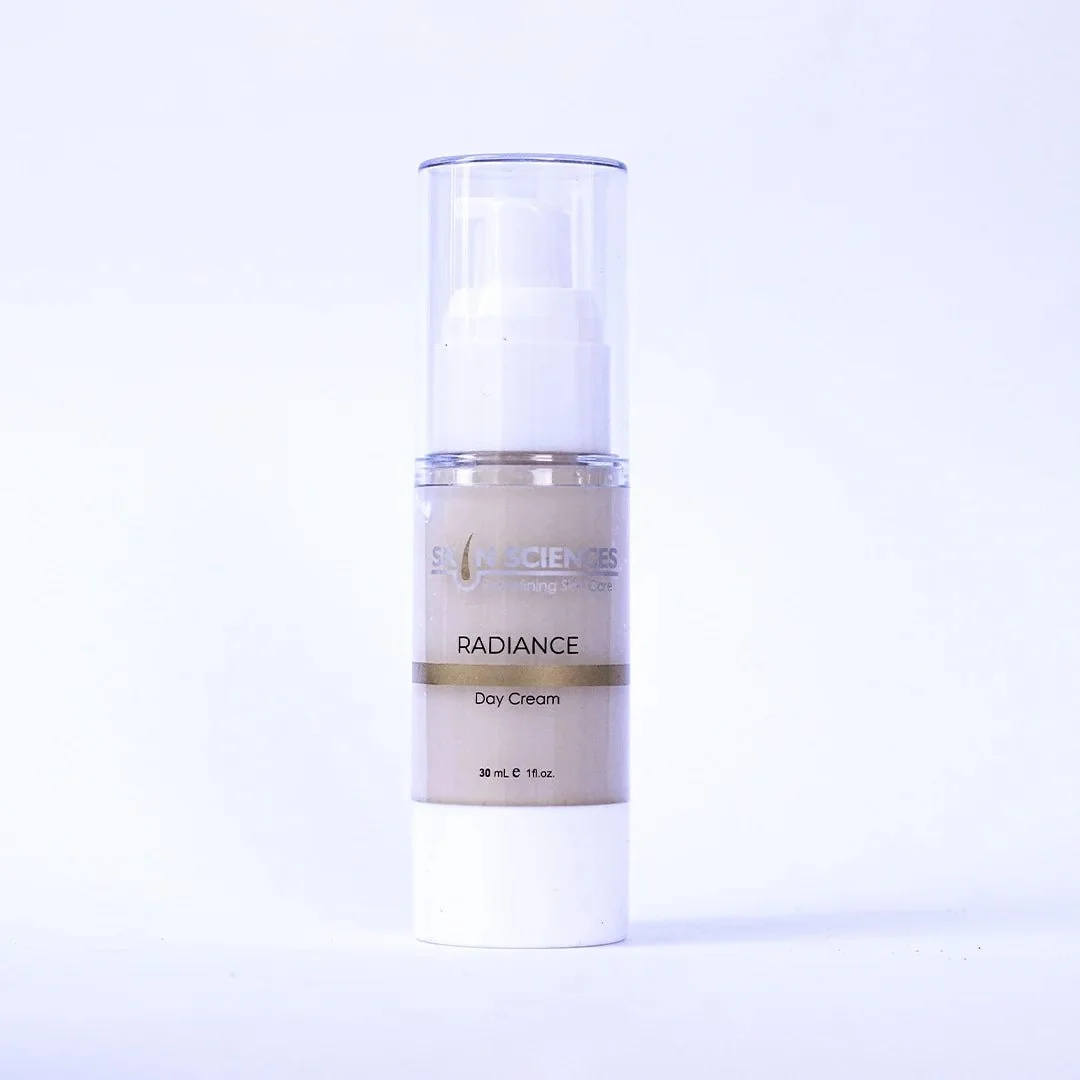
Skin Sciences is a skincare brand you can consider when exploring daily moisturizing products. However, before selecting any day cream, check its current product formulation, ingredient list, texture, and directions.
For summer use, consider whether the product offers:
- A comfortable texture that does not feel excessively heavy.
- Ingredients that help maintain skin hydration.
- Compatibility with your skin type.
- A formula that works well under sunscreen and makeup.
If you have oily or combination skin, pay particular attention to the product’s texture and how your skin responds after application.
When comparing options for the Best Day Cream in Pakistan, focus on your actual skincare requirements rather than choosing a product simply because it is popular.
Frequently Asked Questions (FAQs)
1. Why does my face become oily immediately after applying day cream?
Your face may become oily because the cream is too heavy, you have applied too much product, or your skin naturally produces excess sebum. High temperatures and humidity can also make your skin feel greasy.
2. Should I stop using day cream if I have oily skin?
No, oily skin still needs hydration. Instead of skipping moisturizer, choose a lightweight, non-greasy formula that suits your skin type.
3. Which day cream is better for hot and humid weather?
A lightweight cream or gel-based moisturizer may be more comfortable during hot and humid weather. Look for hydrating ingredients such as glycerin and hyaluronic acid, and consider non-comedogenic formulas if you are prone to clogged pores.
4. Can day cream cause pimples and clogged pores?
Some products may contribute to clogged pores in people who are acne-prone, depending on their formulation and individual skin response. Choosing a suitable non-comedogenic product may help reduce this risk.
5. Is it necessary to apply sunscreen after day cream?
Yes, sunscreen is important for protecting your skin against UV damage. Apply broad-spectrum SPF 30 or higher sunscreen after your moisturizer as part of your morning skincare routine.
6. How much day cream should I apply?
Use enough product to cover your face comfortably without leaving a thick layer. Follow the manufacturer’s directions because the recommended amount can vary between products.
7. Can I use the same day cream in summer and winter?
You can use the same product throughout the year if it continues to suit your skin. However, some people prefer lighter formulas in summer and richer moisturizers in winter because weather conditions affect skin comfort.
Final Words
Greasy skin after applying day cream is a common problem during summer, especially for people living in hot and humid areas of Pakistan. Heavy formulas, excess sebum, high humidity, and incorrect application can all contribute to this issue.
The solution is not to stop moisturizing your face. Instead, understand your skin type, choose a suitable lightweight formula, apply the correct amount, and maintain a simple skincare routine.
If you are searching for the Day Cream , pay attention to ingredients, product texture, skin compatibility, and hydration benefits.
Skin Sciences is one brand you can explore when comparing skincare products. Always check the actual formulation to make sure it matches your skin’s needs.
