Everyday exposure to sunlight, pollution, dust, and changing weather can affect the appearance of your skin. Over time, these factors may contribute to dryness, uneven texture, and a dull complexion. Maintaining a proper skincare routine is therefore important for keeping your skin hydrated, comfortable, and healthy-looking.
Nighttime skincare deserves special attention because it allows you to focus on cleansing and moisturising without the need to apply daytime products such as sunscreen. A suitable night cream helps maintain moisture and supports the skin barrier while you sleep.
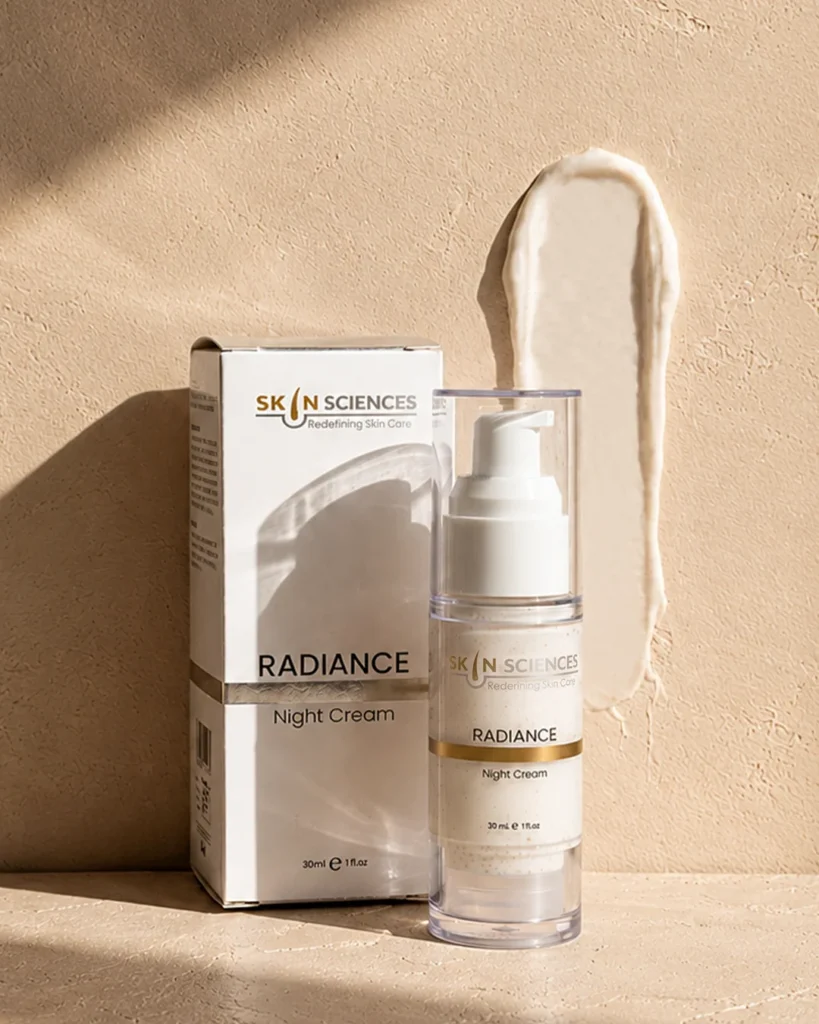
Choosing the best radiance night cream is not simply about finding a product that promises brighter skin. It is about understanding your skin type, selecting appropriate ingredients, and using products consistently. Skin Sciences encourages informed skincare choices that focus on individual needs rather than unrealistic beauty promises.
What Makes a Radiance Night Cream Different?
A radiance night cream is designed to moisturise the skin and improve its overall appearance. Depending on its formulation, it may contain hydrating, soothing, and skin-conditioning ingredients.
Unlike some lightweight daytime moisturisers, night creams may have a richer texture that helps reduce moisture loss.
A well-formulated product can help:
- Improve skin hydration.
- Reduce the appearance of dry patches.
- Make rough skin feel softer.
- Support the natural skin barrier.
- Improve the appearance of dullness.
- Maintain a smoother-looking complexion.
It is important to remember that no moisturiser can change your natural skin colour. The goal of a good skincare routine should be healthy, comfortable, and evenly hydrated skin.
Why Should You Include Night Cream in Your Routine?
Your skin needs regular moisture to maintain its protective barrier. Cleansing, environmental exposure, and certain skincare treatments can sometimes leave the skin feeling dry.
Using an appropriate moisturiser in the evening helps maintain hydration and improve skin comfort.
1. Helps Reduce Dryness
A moisturising cream creates a protective layer that helps reduce water loss. Ingredients such as glycerin and hyaluronic acid attract moisture and improve skin hydration.
2. Supports the Skin Barrier
The skin barrier plays an important role in protecting against environmental irritants. Ceramides and other moisturising ingredients help maintain this protective layer.
3. Improves the Appearance of Dullness
Dehydrated skin can appear rough and tired. Regular moisturising helps improve its appearance by reducing dryness and supporting a smoother surface.
4. Maintains Skin Softness
A suitable night moisturiser helps condition the skin, making it feel softer and more comfortable by morning.
Best Ingredients to Look for in a Radiance Night Cream
Understanding skincare ingredients helps you select a formula that matches your concerns.
Vitamin C for a Brighter Appearance
Vitamin C is an antioxidant commonly used in skincare. It helps protect against oxidative stress and can improve the appearance of uneven skin tone and dark spots.
It is a popular choice for people who want to address dull-looking skin.
Niacinamide for Balanced Skin
Niacinamide, also known as vitamin B3, supports the skin barrier and helps improve the appearance of uneven tone. It may also help reduce the appearance of excess oil.
It is suitable for many skin types and is frequently included in moisturising products.
Hyaluronic Acid for Hydration
Hyaluronic acid attracts and holds water, helping the skin maintain moisture. It can make the complexion look smoother and more hydrated.
This ingredient is particularly useful for people experiencing dryness or dehydration.
Ceramides for Skin Barrier Support
Ceramides are lipids naturally present in the skin. They help maintain the skin barrier and prevent excessive moisture loss.
A moisturiser containing ceramides may be helpful for dry or sensitive skin.
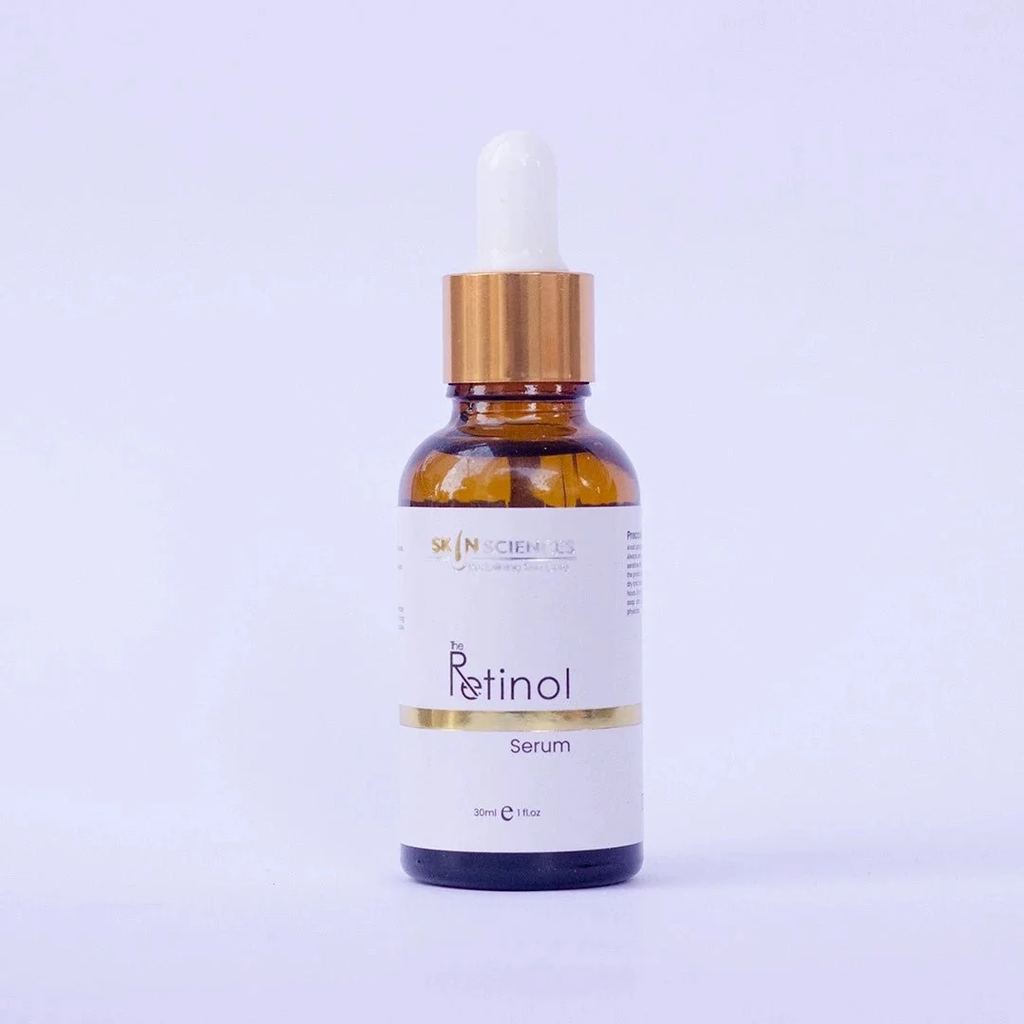
Retinol and Its Role in Nighttime Skincare
Retinol is a vitamin A derivative used in skincare products to address concerns such as fine lines, uneven texture, and certain forms of pigmentation.
It supports skin cell turnover and can gradually improve the appearance of the complexion.
Benefits of Retinol
Helps improve fine lines: Regular use may reduce the appearance of fine lines and support smoother-looking skin.
Improves uneven texture: Retinol can help improve roughness and the appearance of uneven skin texture.
Addresses dark spots: Certain retinol formulations can gradually improve the appearance of pigmentation and post-acne marks.
Supports clearer-looking pores: Retinoid ingredients can help prevent clogged pores and are commonly used in acne treatments.
Is Retinol Suitable for Everyone?
Retinol is not necessary for every skincare routine. People who mainly need moisture may benefit more from a gentle cream containing glycerin, ceramides, or hyaluronic acid.
Those with sensitive skin should introduce retinol carefully and seek dermatological advice if they have an existing skin condition.
How to Choose a Night Cream According to Your Skin Type
Selecting a moisturiser according to your skin type can help you avoid unnecessary irritation and discomfort.
Night Cream for Dry Skin
Dry skin generally needs richer moisturising products. Look for ingredients such as:
- Shea butter
- Glycerin
- Ceramides
- Hyaluronic acid
These ingredients help maintain moisture and reduce the feeling of tightness.
Night Cream for Oily Skin
Oily skin still requires hydration. Lightweight, non-comedogenic formulas can provide moisture without leaving a heavy or greasy finish.
Gel-based moisturisers may be a suitable option.
Night Cream for Combination Skin
Combination skin often has an oily T-zone and drier cheeks. Choose a balanced moisturiser that provides hydration without feeling too heavy.
Night Cream for Sensitive Skin
Sensitive skin usually benefits from simple, fragrance-free formulations. Ingredients such as glycerin and ceramides can help maintain hydration and support the skin barrier.
Always patch-test a new product before applying it regularly.
How to Apply Radiance Night Cream Properly
Using skincare products in the correct order helps maintain a simple and consistent routine.
Step 1: Cleanse Your Skin
Wash your face with a gentle cleanser to remove makeup, sunscreen, excess oil, and dirt. Pat your face dry using a clean towel.
Step 2: Apply a Suitable Serum
If your routine includes a serum, apply it according to the product instructions. Avoid combining several strong active ingredients unnecessarily.
Step 3: Apply Your Night Cream
Take a suitable amount of cream and gently spread it over your face and neck. Avoid the eye area unless the product is specifically designed for it.
Step 4: Maintain Consistency
Use your moisturiser regularly and observe how your skin responds. Avoid switching products too frequently.
Important Precautions When Using Retinol
Although retinol offers several potential benefits, it may cause dryness, redness, peeling, or irritation, especially during the initial weeks.
Follow these precautions:
- Start with a low-strength retinol product.
- Introduce it gradually, beginning with two nights per week if appropriate.
- Apply it to clean, completely dry skin.
- Use a moisturiser to maintain hydration.
- Avoid combining it with multiple strong exfoliating products when starting.
- Apply broad-spectrum SPF 30 or higher sunscreen every morning.
- Stop using it and seek professional advice if significant irritation occurs.
Retinoids should be avoided during pregnancy. If you are breastfeeding or have an existing skin condition, consult a healthcare professional before starting retinol.
Common Mistakes to Avoid in Nighttime Skincare
Even a good skincare product may not provide the expected experience if your routine is unsuitable.
Using too much cream: Applying excessive product does not necessarily provide additional benefits.
Ignoring ingredient compatibility: Combining several active ingredients can increase the possibility of irritation.
Skipping daytime sunscreen: Sun protection is important for maintaining healthy skin, especially when using retinol.
Choosing products without checking ingredients: Always read product labels and consider your individual skin concerns.
Expecting overnight changes: Most skincare improvements require patience and consistent use.
Why Choose Skin Sciences for Your Skincare Needs?
Skin Sciences highlights the importance of understanding skincare ingredients and choosing products according to individual requirements.
A suitable moisturising product should fit your skin type, provide appropriate hydration, and support a comfortable skincare routine.
When exploring radiance-focused skincare, consider the product’s formulation, ingredient list, texture, and application instructions. Choosing products based on these factors is more helpful than relying on unrealistic promises of instant results.
A simple routine that includes gentle cleansing, moisturising, and daily sun protection can help maintain a healthy-looking complexion.
Final word
Maintaining radiant skin requires regular care, suitable ingredients, and realistic expectations. A good night cream can help reduce dryness, support the skin barrier, and improve the appearance of rough or dull skin.
Ingredients such as niacinamide, vitamin C, hyaluronic acid, ceramides, and retinol offer different benefits depending on their formulation. Understanding these ingredients can help you make better skincare decisions.
Skin Sciences encourages a consistent and informed approach to skincare. Choose products that suit your skin type, introduce active ingredients carefully, and maintain daytime sun protection for a healthier-looking complexion.