Body contouring procedures have become increasingly popular as people seek safe, effective ways to remove stubborn fat deposits that resist diet and exercise. Among these options, modern surgical and minimally invasive treatments offer different techniques tailored to individual needs. If you are looking for the best liposuction treatment in Lahore, understanding the variations in procedure types, benefits, recovery time and suitability can help patients make informed decisions and achieve optimal results. This guide explores the most widely used approaches, how they work, what to expect during treatment and tips for selecting the right method.
1:Conventional Body Contouring Technique
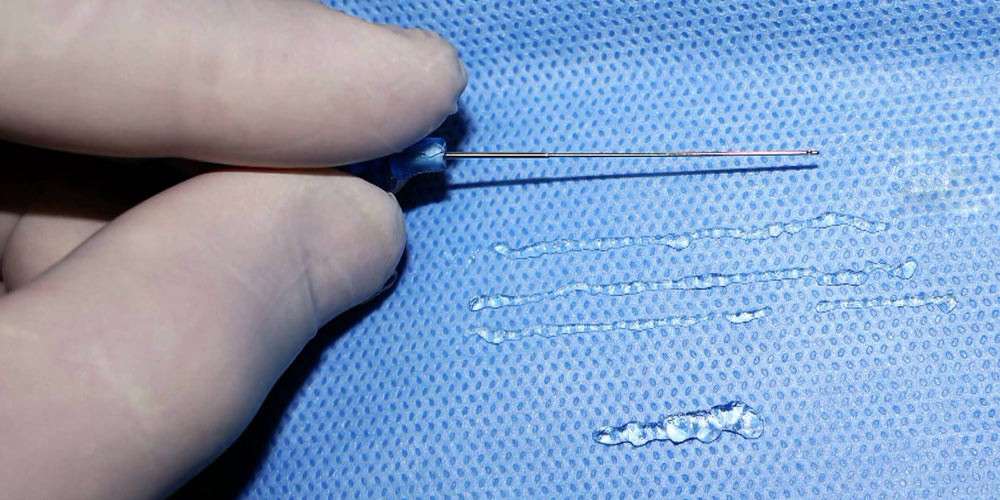
The classic method involves making small incisions in targeted areas to remove fat with suction. Surgeons insert a thin tube called a cannula, which is connected to a vacuum device. By moving the cannula back and forth, fat is gently loosened and extracted.
Key points:
- Best for moderate to large areas of fat.
- Provides significant contouring results.
- Requires local or general anesthesia depending on treatment extent.
- Typically involves 1–3 weeks of recovery, including swelling and bruising.
You Should Know: This approach is highly effective for body areas such as the abdomen, thighs, hips, and arms. Patients benefit from precise contouring, although recovery may be longer compared to newer techniques.
2:Tumescent Technique
The tumescent method uses a specialized solution containing saline, local anesthetic, and a vasoconstrictor. This solution is injected into the targeted area to minimize bleeding and numb the region. Once the tissue is firm and swollen, fat is removed through suction.
Advantages of this method:
- Reduces the risk of blood loss.
- Minimizes postoperative pain.
- Allows procedures to be performed under local anesthesia.
- Typically results in smoother skin contouring.
Key point to know:Because the tumescent approach uses fluid infiltration to loosen fat cells, it is suitable for smaller areas or for patients seeking less invasive treatment with quicker recovery.
3:Ultrasound Assisted Technique
This method employs ultrasonic energy to liquefy fat before removal. The cannula emits sound waves that break down the fat cells, making suction easier and more precise.
Benefits include:
- Better fat removal in fibrous or dense areas.
- Enhanced skin tightening due to heat stimulation.
- Reduced physical effort for the surgeon, improving precision.
Key point to know:Patients often experience faster contouring in areas such as the back, chest, and male gynecomastia. This technique may slightly increase the risk of temporary swelling or minor burns, so trained professionals are essential.
4:Laser Assisted Technique
Laser-assisted procedures utilize focused light energy to break down fat cells and stimulate collagen production. The treatment often combines fat removal with mild skin tightening for a smoother result.
Key advantages:
- Non-invasive or minimally invasive options available.
- Helps improve skin firmness after fat removal.
- Smaller incisions and reduced bruising.
Key point to know:This technique works well for areas where skin elasticity may be a concern, such as the arms or jawline. Recovery is typically shorter and patients notice gradual improvement as collagen develops over several weeks.
5:Power Assisted Technique
In this approach, a motorized cannula vibrates to loosen fat, reducing the manual effort required. This allows the surgeon to remove fat efficiently and with more control.
Benefits include:
- Efficient fat removal from multiple areas.
- Reduced surgeon fatigue, increasing precision.
- Suitable for patients with moderate to large areas of stubborn fat.
You Should Know: Recovery may be similar to traditional methods, but the enhanced precision often results in more uniform contours and fewer irregularities.
6:Combination Techniques
Modern clinics sometimes use combination methods, integrating ultrasound, laser, or vibration-assisted tools to optimize outcomes. These hybrid approaches allow practitioners to tailor treatments for complex areas or patients with specific concerns, improving safety, efficiency and overall results.
7:Recovery and Aftercare
Regardless of the procedure, recovery involves several key steps:
- Compression garments: These help reduce swelling and support new contours.
- Gradual return to activity: Light walking is encouraged early, but strenuous exercise should be delayed for several weeks.
- Follow-up visits: These ensure proper healing and allow the practitioner to monitor results.
- Skin care and hydration: Supporting the body with proper care promotes smoother results.
Key point to know: Adhering to aftercare instructions is crucial for optimal healing and to minimize complications such as uneven contours or prolonged swelling.
8:Selecting a Safe and Effective Method
When selecting a method, consider the following factors:
- Area and amount of fat: Larger areas may require traditional or power-assisted approaches, while smaller or delicate areas may benefit from minimally invasive techniques.
- Skin elasticity: Laser-assisted methods may be preferable if skin tightening is also desired.
- Recovery time: Patients with limited downtime may prefer tumescent or laser-based approaches.
- Surgeon expertise: Selecting a trained professional with experience in specific techniques ensures better outcomes and safety.
- Personal goals: Desired results, comfort level with anesthesia, and risk tolerance should all guide decision-making.
Wrap up
Modern body contouring procedures offer multiple ways to remove unwanted fat, ranging from traditional surgical suction to advanced minimally invasive methods. Each technique provides unique benefits tailored to patient needs, including precision, recovery time and additional skin tightening effects. Those searching for the best liposuction treatment can benefit from understanding the differences between procedures and consulting with experienced practitioners to select the method that best aligns with their body goals and lifestyle.
Key Questions and Expert Answers
1. How long does it take to see results?
Initial results may be visible within weeks but final contouring typically appears after several months as swelling subsides and tissues adjust.
2. Are all procedures safe under local anesthesia?
Smaller areas often can be treated with local anesthesia but larger or multiple areas may require general anesthesia for comfort and safety.
3. Which technique is best for delicate areas like the chin or arms?
Minimally invasive or laser assisted techniques are preferred for areas with thinner skin to reduce irregularities and improve skin tightening.
4. How soon can I resume normal activities?
Light walking can begin immediately in most cases but strenuous exercise should be delayed for 2–4 weeks depending on the treatment type.
5. Can multiple areas be treated in one session?
Yes. but it depends on the amount of fat, patient health and method chosen. Surgeons will assess safety and recommend an appropriate plan.